Welcome to my blog! My name is Rosie, and I am a sociologist of religion with a master’s degree in Middle East Studies. I also have a background in the public sector and government.
This blog serves as a platform for my reflections on current affairs, history, politics, and, of course, religion. As a passionate lover of the arts, I often draw on literature and other artistic forms to enhance and illustrate my thoughts. Alongside sharing my opinions, I aim to shed light on happenings that don’t always make it to the front pages of newspapers.
As a novice blogger, I greatly appreciate any feedback I might receive. At the same time, I reserve the right to express my opinions freely.
If you enjoy reading my insights and would like to stay updated on my latest posts, please subscribe to my blog for email notifications. Subscription is free!
Thank you for visiting, and I hope you find my writings engaging!
On April 5th, 2025, a symbol of burgeoning democracy took to the streets across the United States. The Hands Off! movement, an alliance of national and local organizations, orchestrated over 1,400 mass protests, with more than 600,000 people formally signing up, while an estimated millions rallied in solidarity. This movement, borne from the sentiment of citizens feeling a ‘hostile takeover’ of their democratic rights, showcased the power of collective action in the face of adversity.
At the heart of Hands Off! lies a threefold demand that reflects the anguished cry for justice and accountability:
An end to the billionaire takeover and rampant corruption of the Trump administration;
An end to slashing federal funds for Medicaid, Social Security, and other programs working people rely upon; and
An end to the attacks on immigrants, trans people, and other communities.
These protests erupted in the wake of turmoil in the stock markets following President Trump’s announcement of import tariffs on foreign goods. This move was met with a swift backlash from investors, signifying widespread disapproval and leading to global economic disarray—a stark reminder of how interconnected our societal fabric truly is.
But what do chaotic stock markets and passionate protests have in common? At their core, they both reflect a profound crisis of trust.
Trust is the cornerstone of governance. Citizens bestow their safety—and, by extension, their livelihoods—into the hands of their elected officials, expecting them to operate with integrity and respect. Politicians embody the values and responsibilities of the government, and when they fail to uphold trust, they erode the very foundation of democracy.
It’s crucial to remember that government is fundamentally different from the corporate world. While businesses exist to maximize profit, governments are meant to protect and empower their citizens. Today, the definition of safety encompasses much more than mere physical protection; it includes access to healthcare, education, and social services, safeguarding the vulnerable, and ensuring a society where everyone can thrive.
Unfortunately, since the advent of the Trump administration, this fundamental understanding has been jeopardized. Policy decisions that have shocked the nation—mass firings of officials, dismantling of crucial research funding, rampant deportations, attacks on diversity, and exorbitant tariffs—have not only tested citizens’ patience but also their belief in their leaders. Facing such upheaval, citizens are left feeling anxious and, at times, alarmed by the prospect of losing the rights and protections they hold dear.
Political leaders who betray the trust of their constituents often find themselves isolated. When citizens perceive their representatives as dishonest or disconnected, the consequences are severe. History teaches us that even the most steadfast leaders can tumble from grace when they neglect the voices of the people they serve. The mounting skepticism among Republicans themselves serves as a harbinger of a growing rift between Trump and his supporters—a worrisome sign of a faltering connection.
Amid this political storm, the President’s seeming indifference only deepens the rift. His weekends on the golf course juxtaposed against a backdrop of national unrest reflect a leader out of touch with the pulse of the nation. While he may believe that his time in office is secure for the foreseeable future, he underestimates the power of public sentiment. The impending midterm elections present a critical juncture that could either solidify or dismantle the political landscape.
Thus, as we stand at a crossroads, it becomes paramount for leaders to recognize that governance is not a game of cards; it is a profound responsibility that demands respect, transparency, and empathy. Trust is not simply a commodity to be bartered or manipulated; it is a sacred bond between the governed and those who govern. Rebuilding this trust begins anew with listening, understanding, and holding ourselves accountable.
The question facing us now is not simply about the policies that divide us but about the trust that binds us. In a democracy that thrives on the engagement and participation of its citizens, rebuilding that trust is not just necessary; it is our greatest challenge and our most urgent duty. A united call for accountability may very well be the key to restoring faith in our government and, ultimately, ourselves and each other.
If you enjoy reading my insights and would like to stay updated on my latest posts, please subscribe to my blog for email notifications. Subscription is free!
I recently finished a compelling series on The Rest Is History podcast, focused on the events leading up to the First World War, also known as “The Great War.” Not only is history presented in a captivating manner, but this series also encourages us to examine our present circumstances more critically.
One striking takeaway is that, as tensions escalated toward war, no one truly believed they were heading toward a catastrophic conflict. Despite the diplomatic messages being exchanged, the self-serving political alliances, and the awareness that one country’s aggression could provoke retaliation, leaders were convinced that a “great war” would not emerge from what they perceived to be minor conflicts. They underestimated the gravity of the situation, viewing the assassination of Archduke Franz Ferdinand of Austria and his wife, Sophie, as merely an individual tragedy. It wasn’t until circumstances spiraled beyond control that some government officials realized the full impact of their actions—far too late for the over nine million soldiers, mostly young men, who lost their lives.
Studying history offers us a chance to analyze past events and learn from them. Social, political, and economic patterns transcend time, showing that when people are hungry and dissatisfied with their leaders, unrest often follows. In dire situations, the masses frequently seek a common enemy to blame for their grievances. While this scapegoating doesn’t remedy the underlying issues, the perception that action is being taken often fosters hope for the future.
Looking at recent years in the U.S., we can observe parallels to the discontent of the early twentieth century. I’ve explored this theme in earlier writings, such as “Humanity at a Crossroads.” (https://rosieglobal.com/2025/01/27/the-second-coming/) Many others have also drawn comparisons between pre-World War II circumstances and our current landscape. Just as we regard World War I as a precursor to World War II, we should examine the buildup to World War I to identify any warning signs that might signal a repeat of history.
Take Kaiser Wilhelm II, for instance—a figure marked by tragedy and misunderstanding. The grandson of Queen Victoria, he was both rejected by his family and teased for his physical disabilities. He channeled his grief into a deep desire for recognition and importance. When his beloved nephew and niece were assassinated, Wilhelm felt compelled to support the alliance between Germany and Austria, seeking revenge for their deaths.
The situation grew more complicated as Russia, allied with Serbia—the nation Germany and Austria were threatening—became involved. Russia feared that a war in the Balkans would jeopardize crucial trade routes, specifically the grain imports from Odessa and Kyiv. Meanwhile, while France officially held no alliance with Britain, Prime Minister Grey made informal promises to the French ambassador, leading to a tacit understanding that would come into play. With Germany and Austria-Hungary firm in their alliance, they found themselves flanked by two military power blocs: Britain and France to the west and Russia to the east.
One might assume this situation was a recipe for disaster, but then-world leaders saw it differently. Austria had previously invaded Balkan territories without facing serious consequences from Russia. The British were preoccupied with their own internal strife in Ireland, and Germany didn’t anticipate escalating into war. Wilhelm II naively thought that Serbia would accept their demands, leading to a manageable resolution. For France, while resentment lingered regarding the loss of Lorraine and Alsace, the idea of a “great war” was not on their minds; minor reprisals seemed sufficient.
It’s often said that hindsight is 20/20 vision, and that holds true, especially if we are willing to learn from the past.
In today’s world, allowing events to unfold without acknowledging the potential for catastrophic outcomes presents significant risks. As we observe long-standing alliances weakening amidst political division and economic troubles, we can see troubling parallels. Currently, we witness a major power led by an individual who craves reverence and control, potentially willing to disregard free speech and human rights for personal gain and political maneuvering. He has openly threatened military action to annex territories and imposed tariffs under the guise of protecting national interests, while also distancing the U.S. from international responsibilities and treaties.
Yet, despite these alarming trends, his supporters praise his leadership, viewing him as someone who delivers on his promises. They believe that his aggressive rhetoric is merely bluster. They think he will make their country great again. The potential harm it can do to other countries and peoples is of no concern to them.
Many leaders from other nations downplay the situation, believing that flattering this leader can mitigate his more extreme aspirations. They argue that annexation will never occur—it contradicts international law, after all. The prevailing thought seems to be that if they appease his demands, they can avoid dire consequences. They carefully try not to make waves or provoke an emotional outburst from him. He is regarded as a transactional leader; they think they know him and can play his game. However, underestimating the potential for conflict, based on familiarity with past behaviors and dynamics, can be a grave mistake.
So, we find ourselves at a crossroads. We can lull ourselves into complacency by the belief that current tensions can be managed. We can make ourselves believe it won’t come to an annihilation of democracy and human rights in his country. That he won’t start a war because he wants more power. That he won’t start a war because he wants to control trade routes. That he won’t start a war because he harbors a grudge against certain countries he feels treated him disrespectfully in the past.
Or we can recognize that we are positioned atop a powder keg, aware of the risks we face. That we must act progressively in order to maintain peace. The lessons from history are clear: ignoring the warning signs could lead us down a perilous path.
If you enjoy reading my insights and would like to stay updated on my latest posts, please subscribe to my blog for email notifications. Subscription is free!
March 2025 has emerged as a month marked by significant political events that have reverberated not only throughout the United States but also around the world. The preeminent topic of discussion has been American politics, led by the increasingly controversial Trump administration.
President Donald Trump intensified his administration’s activities by signing multiple executive orders, including a provocative move to designate English as the official language of the United States. Other contentious decisions included shutting down several state-funded broadcasters and commencing the dismantling of the Department of Education. These measures sparked debates on the implications for education equity and media diversity.
The ongoing war in Ukraine entered its fourth year, with increasing pressure to find a resolution. President Trump actively pursued peace negotiations, even hosting discussions in Saudi Arabia aimed at establishing ceasefires in key areas, such as the Black Sea. The U.S. also proposed stricter sanctions on Russian oil and secondary sanctions on its buyers to push Russia towards a general ceasefire. However, talks have been marred by tensions, including a disconcerting public exchange with Ukrainian President Volodymyr Zelensky. The European Union, along with Britain’s Prime Minister Keir Starmer, reiterated support for Ukraine, pledging substantial financial aid, advocating for stronger sanctions against Russia and a reassured military presence to deter further aggression.
In related international dynamics, the U.S. military undertook airstrikes in Yemen against Houthi targets, resulting in casualties that raised alarms about ongoing conflicts in the Middle East. This coincided with controversy that erupted when journalist Jeffrey Goldberg was inadvertently added to a Signal group chat involving senior U.S. officials. The chat revealed sensitive details about strikes against Houthi targets, sparking concerns over operational security.
In the realm of trade, the Trump administration’s imposition of a 25% tariff on automotive imports has drawn fire from Canada and Japan, both of whom condemned the tariffs as attacks on their economies. Canadian Prime Minister Mark Carney, who recently achieved a landslide victory to become prime minister, responded firmly, pledging to retaliate against this protectionist tactic.
Furthermore in the North America, Greenland held elections for its Inatsisartut, with the center-right opposition party Demokraatit winning a plurality of seats. This marked a significant shift as the ruling Inuit Ataqatigiit–Siumut coalition lost its majority. Meanwhile, U.S. President Donald Trump stirred controversy by refusing to rule out the annexation of Greenland during a meeting with NATO Secretary General Mark Rutte.
Escalating Israeli-Palestinian Conflict
The fragile ceasefire in Gaza entered a precarious second phase, only to collapse under worsening conditions. Israel demanded the release of all hostages held by Hamas, blocking humanitarian aid and resuming intense bombing campaigns. The renewed airstrikes resulted in extensive loss of life and destruction across Gaza, with over 404 Palestinians killed and 560 injured on March 18 alone—a devastating toll since the January ceasefire began. UNICEF reported that one in three children in North Gaza now suffers from malnutrition, describing the humanitarian crisis as “catastrophic.”
The international community expressed grave concern over these events. The United Nations Human Rights Council accused Israel of committing war crimes and acts of genocide, citing systematic destruction of healthcare systems and gender-based violence. Israeli Prime Minister Benjamin Netanyahu dismissed these claims as “biased” and “antisemitic,” further deepening divisions.
Syria
The new Syrian government faced severe challenges as violence erupted against former supporters of ousted President Bashar al-Assad. Despite promises of judicial fairness, sectarian reprisals led to devastating massacres. Over 1,300 Syrians, including 973 Alawites, Christians, and other minorities, were killed in just 72 hours during clashes between the transitional government and pro-Assad forces. The Syrian Observatory for Human Rights (SOHR) reported that pro-government forces executed 52 Alawite men in Latakia and killed over 750 Alawite civilians in western Syria. Thousands of civilians remain missing, with reports of mass graves and cremations to conceal the scale of atrocities.
In response, the Syrian presidential office announced the creation of a National Security Council to address internal security issues. Meanwhile, the European Union pledged €2.5 billion in aid, and Germany committed €300 million to stabilize Syria and address its humanitarian crisis. Vice-President of the European Commission Kaja Kallas emphasized the need for stability, advocating for lifting sanctions to restore diplomatic ties.
Asia
Foreign ministers from Japan, China, and South Korea convened in Tokyo to address shared challenges, including aging populations and climate change. The meeting aimed to strengthen regional cooperation and prepare for a leaders’ summit. Japan raised concerns about North Korea’s security threats, while China criticized protectionism and the politicization of science. This trilateral dialogue underscored the importance of collaboration in navigating global uncertainties.
In a landmark decision, the Tokyo District Court ordered the dissolution of the Unification Church, marking the first revocation of a religious organization’s status in modern Japanese history. The ruling followed investigations linking the church to manipulative fundraising practices and its controversial ties to the assassination of former Prime Minister Shinzo Abe. The decision has sparked debates about religious freedom and accountability.
Former Philippine President Rodrigo Duterte was arrested at Manila’s Ninoy Aquino International Airport upon his return from Hong Kong. The arrest warrant, issued by the International Criminal Court (ICC), charged Duterte with crimes against humanity during his controversial “war on drugs.” He was swiftly extradited to The Hague, Netherlands, where he now faces trial.
A catastrophic 7.7 magnitude earthquake struck Sagaing, Myanmar, on March 28, causing widespread destruction and claiming over 1,000 lives in Myanmar and 10 in Thailand. The quake damaged 61 ancient pagodas and religious buildings, including the Four-Storied Monastery in Inwa. Myanmar’s government declared a state of emergency as rescue efforts continued.
Africa
In Somalia, conflict intensified as Al-Shabaab militants launched attacks. A 24-hour siege at a hotel in Beledweyne resulted in 15 civilian deaths and the elimination of six attackers while an assassination attempt on President Hassan Sheikh Mohamud near Mogadishu’s Aden Adde International Airport left 10 dead and 20 injured. These incidents led to calls for Mohamud’s resignation amid worsening security and governance crises.
In Ethiopia, the National Defense Forces reported killing over 300 fighters from the Fano armed group during clashes in the Amhara region. This marked a significant escalation in the ongoing conflict.
Angola confirmed the initiation of peace talks between the Democratic Republic of the Congo (DRC) and the Rwanda-backed March 23 Movement (M23). The negotiations aim to address the long-standing conflict in the mineral-rich eastern DRC.
In Khartoum, Sudan, the discovery of 11 bodies, including women and children, at the bottom of a well added to the region’s turmoil. The Sudanese government accused the Rapid Support Forces of being responsible for the deaths, highlighting ongoing instability.
The European Union announced a €4.7 billion investment in South Africa for aid and development projects, stepping in after the United States ended most of its USAID programs. This move highlighted the EU’s commitment to strengthening ties with South Africa amidst shifting global alliances. Meanwhile, U.S. Secretary of State Marco Rubio declared South African Ambassador Ebrahim Rasool persona non grata, citing his criticism of Donald Trump’s 2024 presidential campaign. This decision underscored growing tensions between South Africa and the U.S.
Bolivia
Severe floods in Bolivia led to the declaration of a national emergency. Over 50 lives were lost, and more than 100,000 people were displaced. The government mobilized resources to address the crisis, emphasizing the urgent need for international support.
European Preparedness Strategy
The European Commission unveiled a new preparedness strategy, urging citizens to stockpile 72 hours’ worth of food, water, and essentials. This initiative aimed to enhance resilience against natural disasters, cyberattacks, and geopolitical crises.
Pope Francis’ Recovery
Pope Francis faced a life-threatening health crisis after being admitted to Rome’s Gemelli Hospital on February 14, 2025, with bronchitis that escalated into double pneumonia. During his five-week hospitalization, the 88-year-old pontiff endured severe respiratory complications, including mild kidney failure and anemia, requiring mechanical ventilation and oxygen therapy. Despite these challenges, he showed remarkable resilience and was discharged on March 23, returning to the Vatican to continue his recovery. Doctors prescribed two months of rest and rehabilitation, and Pope Francis expressed heartfelt gratitude for the prayers and support he received during this critical period.
Good news
Amidst the backdrop of war and strife, there were moments of hope including a few historic firsts in leadership. Zimbabwe’s Kirsty Coventry was elected as the first female president of the International Olympic Committee—an achievement celebrated globally. In Namibia, Netumbo Nandi-Ndaitwah was sworn in as the country’s first female president. Her leadership symbolizes a new chapter in Namibia’s political landscape, emphasizing progress and inclusivity.
In a groundbreaking study published in Nature, scientists uncovered a previously unknown aspect of the immune system, offering promising avenues for personalized treatments against infections. By exploring the proteasome—a cellular system responsible for protein degradation and recycling—researchers discovered a vast reservoir of natural antimicrobial peptides. These peptides, which increase production during infections, demonstrated effectiveness in combating harmful bacteria in human cells and mice.
Despite the tumultuous events, March 2025 showcased human resilience in various forms, from political shifts and disaster recovery efforts to innovative scientific advancement. It highlights a world at a crossroads, grappling with conflict and the pursuit of peace, as leaders and citizens alike navigate complex challenges.
Chuck Schumer may have inadvertently provided the Democratic Party with a critical opportunity to unify.
Let’s face it: things haven’t been going well for the Dems in a while. The party has been struggling to connect with middle-class and rural Americans for years. They were blindsided by Joe Biden’s declining health, despite his age, and they allowed insufficient time for Kamala Harris to mount a robust electoral campaign. Would it have made a difference? That remains uncertain, but the absence of a solid campaign strategy was certainly noticeable.
Now, the Democrats are in disarray. Calls for new leadership echo within the party, but there’s little consensus on what that should entail. In the House, Democratic members are divided into four distinct factions, complicating any efforts to rally around a single agenda. Initially, one might have thought being in the minority in the House and Senate would provide the Democrats with the space they desperately needed to regroup. That hasn’t been the case, to much frustration.
However, circumstances have shifted more rapidly than one could anticipate. Peace talks concerning Ukraine are stagnant at best, the economy is floundering, the stock market continues to tumble, and the ongoing tariff war is causing widespread anxiety. To add to these challenges, fundamental human rights are under siege. Figures like Trump and Musk have begun to target essential services like Medicare and Medicaid, leaving even some Republicans questioning the decisions they’ve backed. Yet, in the face of a daunting array of issues, the Democrats have struggled to land a solid blow—especially when the target is so large.
Just when it seemed the Democrats might be adjusting to these endless challenges, Senator Chuck Schumer of New York, the Senate Minority Leader, announced his decision to vote in favor of a continuing resolution. This was especially notable given the collective ‘nay’ votes from House Democrats, who felt justified in opposing it.
On one hand, you could argue both sides of the issue. A government shutdown would have far-reaching, detrimental effects: government employees could lose income or even their jobs, and halting such a vast enterprise would impact Americans across the country. Contrary to the belief of some, civil servants contribute significantly, keeping essential services running. On the other hand, if political figures like Musk succeed at laying off civil servants, it could lead the federal government to a standstill. Ultimately, in American politics, perception often outweighs objective reasoning.
And therein lies Schumer’s miscalculation, as well as his unexpected role as a unifier. His stance—that a government shutdown is detrimental—while valid, does little to demonstrate leadership from a minority party, especially when an opportunity arises to make a bold statement. The political landscape is hardly devoid of issues; the timing could have been ripe for Democrats to seize the momentum. Public fatigue towards Trump’s decision-making is evident, with some Republicans even expressing doubts about cutting healthcare for the vulnerable. True politicians recognize when to act decisively; Schumer’s hesitance reveals a profound lack of instinct.
However, in an unexpected twist, Schumer’s announcement has united the four factions within the Democratic House. They are not only rallying against the continuing resolution but are also demanding stronger leadership—a Senate leader who is not content to relax in a back room but who will fiercely advocate for their principles. They crave someone who is unafraid to challenge the status quo and address uncomfortable truths, someone who will stand tall and fight for what they believe in. The time for hesitation is over.
So, if you’re a Democrat feeling frustrated with Schumer’s vote alongside the opposition, it’s completely valid to be upset. Yet, perhaps there’s a silver lining to his decision. He has unwittingly paved the way for a more resilient and combative party, which could ultimately benefit them in the long run. The key now lies in their willingness to embrace this moment. Only time will tell.
If you enjoy reading my insights and would like to stay updated on my latest posts, please subscribe to my blog for email notifications. Subscription is free!
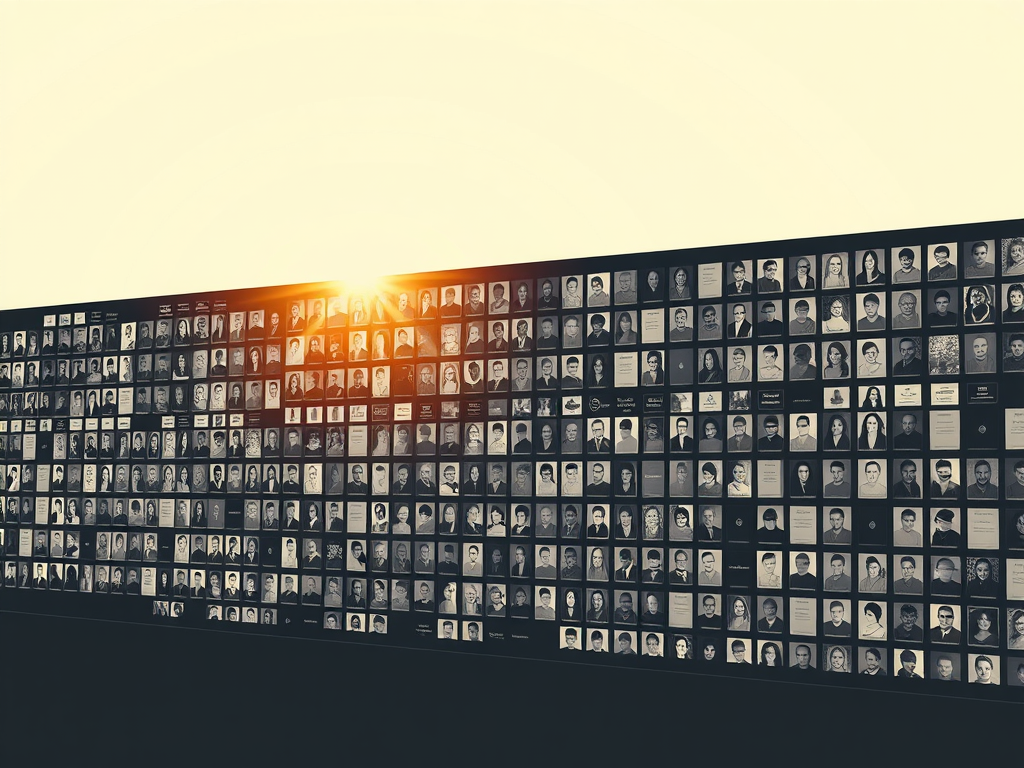
This past Sunday, March 9th, the British observed their annual Covid Day of Reflection. In London, a Highland piper led bereaved relatives and well-wishers along the national Covid memorial wall, which features 3,000 photographs of individuals who lost their lives to the virus—a small portion of the total 227,000 deaths in the UK alone. According to the World Health Organization, at least 3 million people died, directly or indirectly, due to Covid infections in 2020 alone. As of March 9th, 2025, there have been 7,090,763 confirmed Covid-induced deaths reported worldwide.
Moreover, it has been estimated that, as of January 2023, taking into account likely Covid-related deaths through excess mortality, the pandemic has caused between 19.1 million and 36 million deaths globally. (1)
With so much unfolding in the world, the pandemic seems like a distant memory. But it has only been five years, and the world is still grappling with its aftermath. In an article published in Nature magazine in August 2024, titled “Long COVID: Science, Research, and Policy,” researchers Ziyad Al-Aly et al. stated that “the cumulative global incidence of long COVID is around 400 million individuals, which is estimated to have an annual economic impact of approximately $1 trillion—equivalent to about 1% of the global economy.”
Beyond the economic distress, the effects of long Covid are devastating for those affected. Many are battling a chronic illness that the medical community has yet to fully understand, let alone treat. Most have lost their jobs and sources of income, becoming socially isolated due to debilitating fatigue among other symptoms. Prospects for a cure appear bleak, as this multi-system disease manifests differently in each individual, complicating efforts to develop a universal treatment.
In addition to the emergence of a new chronic disease, Covid—along with the measures implemented during the pandemic—has been identified as a contributing factor in the rising number of individuals struggling with mental health issues. Many of these individuals are children and young adults who have struggled to cope with the shutdown of schools, social distancing mandates, community lockdowns, and strict quarantine measures. The lack of social interaction and the fear of contagion have left an indelible mark on an entire generation.
Family members of those who died during the pandemic continue to feel the pain of not being able to hold their loved ones’ hands in their final moments or say goodbye in person. They remember poignant moments, such as the funeral of the late Prince Philip, where Queen Elizabeth II sat alone in her seat wearing a face mask, unwittingly becoming a symbol of the grief many faced—most of whom were denied the chance to organize proper funerals due to restrictions.
Socio-Political Shifts
In 2021, Kahl and Wright published their book “Aftershocks,” analyzing the pandemic’s impact and long-term effects on national and international politics. They draw comparisons to the Great Influenza of 1918, arguing that pandemics can “shape international order by undermining the material capabilities of key states and by producing contingent historical events that ripple through time. The agitation of underlying forces within and between countries can strain economies, worsen inequality, and contribute to social and political unrest.” The parallels to our post-Covid era are striking. Various scientific publications have noted that deglobalization and increased nationalism and isolationism are socio-political shifts that can be traced back to the pandemic.
So, what does this mean for us? History teaches us that the post-pandemic era following the Great Influenza was fraught with challenges that preceded even darker times. The Roaring Twenties, a period where many sought refuge in entertainment after the devastations of the Great Influenza and World War I, was short-lived and led to the Great Depression and the rise of Nazism. History also demonstrates that in times of crisis, people often focus on protecting ‘their own,’ unwittingly alienating ‘the other.’
Today, we find ourselves witnessing economic decline, increased protectionist measures by governments, a rise in nationalism and white supremacism in the Western world, and deglobalization—all against the backdrop of influencers and reality shows. Despite the warning signs and the voices of the alarmed, the masses remain unconvinced that catastrophe could loom if the tide does not shift.
Lessons to Be Learned
In contemplating the lessons to be learned from the pandemic, there appears to be a predominant focus on organizational aspects: How do we respond to the next pandemic? Should we reserve funds? How do we structure our health systems? Who needs a seat at the table to determine necessary measures?
What seems to be overlooked is the impact of the Covid pandemic on geopolitical affairs. Had this been a focus, perhaps the discussions taking place today would be different. World leaders would analyze social movements and seek to address the sources of discontent among their citizens, rather than merely responding to it with political rhetoric. They would heed the warning signs of emerging nationalism and protectionism and recognize where this path led a century ago. They would come to understand that global connectivity is essential to preserving humanity.
Is Covid entirely to blame for our current global situation? No, of course not. But it is a contributing factor that should not be dismissed. Covid has not only impacted our health and economies; it has, whether consciously or unconsciously, altered our perceptions of the world in which we live. The more aware we are of this, the more we can do to reverse its effects before it’s too late.
If you enjoy reading my insights and would like to stay updated on my latest posts, please subscribe to my blog for email notifications. Subscription is free!
One word comes to mind when I reflect on February: geopolitics. Although it may not be the most alluring term, there is no better way to encapsulate the state of the world today. As the global landscape becomes increasingly fraught with challenges, the imperative to strive for improvement remains clear.
Throughout February, former President Trump continued to astonish both allies and adversaries with his unpredictable decrees and statements. His administration generated considerable turmoil, highlighted by Vice President Vance’s attendance at the Global Security Conference in Munich. Trump’s approach toward the ongoing war in Ukraine has raised eyebrows, as he openly sought closer ties with Russia. He has demanded that Ukraine repay the United States a staggering $500 billion in rare earth minerals, framing it as compensation for U.S. expenditures related to the conflict. Moreover, the Trump administration recognized Russia’s control over specific regions in Ukraine, asserting that these areas should be considered Russian territory before negotiations have even commenced.
In response, Ukrainian President Volodymyr Zelensky offered a counter-proposal regarding the rare earth minerals. His plan suggests utilizing these resources as a means to guarantee a peaceful future for Ukraine, proposing an arrangement to “pay” for U.S. support should Russia launch another invasion. This clever strategy acknowledges that a portion of the minerals lies in territories currently under Russian control or disputed ownership. On this last day of the month, Zelensky and Trump are to meet; the world now watches closely for Trump’s reaction to Zelensky’s initiative.
As the geopolitical landscape shifts, Europe is finally taking steps toward unity in response to Trump’s rhetoric. Leaders like Ursula von der Leyen, Emmanuel Macron, and Keir Starmer have stepped forward, attempting to salvage the transatlantic alliance while demonstrating that they will not be intimidated. Friedrich Merz, the incoming German chancellor, has expressed skepticism about the need for a U.S. alliance and has advocated for the establishment of an independent European defense alliance. This move reflects a positive development in European political collaboration, even as the continent seeks a unifying leader. If Europe is to avoid being left vulnerable, the emergence of strong leadership is urgently needed.
On a domestic front, the Trump administration has remained busy with various controversial actions, including implementing tariffs, undermining human rights, terminating a significant number of government employees, and arguably disregarding constitutional norms. The administration’s stance on immigration, particularly its focus on detaining undocumented individuals and banning certain literature, has drawn widespread criticism. Notably, a nationwide boycott of major retailers and fast-food chains was organized on February 28, reflecting the mounting frustration among Americans regarding the rising cost of living and discriminatory employment practices against women and non-white individuals.
While many focus on the disintegration of transatlantic alliances and the de-democratization of the U.S., we must not overlook pressing issues elsewhere. The Israeli-Palestinian conflict remains a perpetual source of tension. As we enter the next phase of the Gaza war ceasefire negotiations, Israel’s actions in the West Bank have been brutal, further complicating the possibility of a two-state solution, particularly given U.S. support leaning towards the aggressor.
In the Democratic Republic of the Congo (DRC), a mysterious virus has claimed 60 lives. Initial findings indicate that while a severe strain of malaria was detected in 54% of blood samples, the WHO has labeled this as a typical prevalence and suggests it may not be the source of the new virus. Given the highly contagious nature of the outbreak, which can prove fatal within 48 hours, swift action to control it is crucial. Compounding this issue, the DRC continues to grapple with a war in its eastern regions and the persistent threat of Ebola, illustrating the multifaceted challenges facing its citizens despite millions in international aid.
In the Central African Republic, violent attacks by the 3R rebel group have resulted in the deaths of nine and widespread destruction of hundreds of homes in Bamingui-Bangoran. Since 2013, this country has faced conflict and has consistently been recognized as one of the poorest countries in the world.
On a more uplifting note, there is a positive development emerging from Africa: the Senegalese government has reached a peace agreement with the Movement of Democratic Forces of Casamance, effectively ending a 40-year conflict. This milestone, mediated by the neighboring Bissau-Guinean President Umaro Sissoco Embalo, brings hope for lasting peace.
In South America, the Brazilian Public Prosecutor’s Office has taken legal action against mining giant Vale S.A. and the state of Pará for mass metal poisoning affecting the Xikrin indigenous community in the Amazon rainforest. Their territory, crucial for their livelihood, has suffered not only from pollution but also from the displacement caused by the construction of the Belo Monte dam, which has dramatically altered their river system and environment, displacing thousands and disrupting their way of life.
As we turn to Chile, a nationwide power outage has impacted the majority of the population, halting significant industries temporarily.
In Australia, health authorities remain vigilant as a melioidosis outbreak, attributed to flooding in Queensland, has resulted in at least twelve fatalities. This bacterial infection poses a serious threat to local communities, necessitating awareness and preventive measures.
This recap offers just a glimpse into the events of February, emphasizing the complexities and struggles that define our world today. While mainstream narratives often concentrate on the “big players,” countless issues across the globe merit our attention. Environmental crises, health concerns, and human suffering paint a daunting picture, reminding us that we indeed live in challenging times.
However, amidst these difficulties, humanity’s resilience and creativity shine through. We have the capacity to discover joy and magic in everyday life and the opportunity to commit to acts of kindness. Regardless of the geopolitical turmoil surrounding us, each of us possesses the power to contribute positively to our communities. This February recap serves not only as a reflection of the challenges we face but also as a call to embrace goodness and extend it to those in need. We can—and must—do better, for the future of this world and humanity.
Geopolitics have taken a significant turn this past week. The U.S. has revealed its lack of commitment to Ukraine, surprising many European leaders in the process. In response, these leaders have intensified discussions in an unprecedented attempt to unify, showcasing a unity not previously seen in European politics. With both sides risking a substantial fracture in the trans-Atlantic alliance, the phrase, “Be careful what you wish for, lest it come true!” from Aesop’s Fables, comes to mind.
The recent German elections have introduced a new chancellor to the stage. While coalition negotiations are still pending, it is already a foregone conclusion that Friedrich Merz will become the new German chancellor. Just an hour after the world collectively sighed with relief at the AfD’s failure to secure victory, Merz delivered a strong and unexpected message during an ‘Election Day’ television interview. He stated: “An absolute priority will be to strengthen Europe as quickly as possible, so that, step by step, we can achieve real independence from the USA.” He further added that “the Americans are largely indifferent to the fate of Europe.”
His statements were surprising for two reasons. First, Merz has always been deemed a ‘trans-Atlanticist’. His call to sever ties between the U.S. and Europe is extraordinary for someone who has consistently worked to enhance relations within this alliance. It appears that the messaging from figures such as Trump, Vance, and Rubio has resonated deeply with him, perhaps leading him to lose faith in this alliance. Second, Europe has historically relied on the U.S. for military support and defense—arguably over-relying, which has contributed to the frustrations surrounding NATO funding. This reliance stems from the lessons of World War II; Europeans are acutely aware that they could not have defeated the Nazi regime without American and Canadian military aid. NATO was not simply an alliance created to counter the Soviet Union during the Cold War; its foundations rest on the ethical and fundamental principles of defending democracy and recognizing the role each nation plays in upholding democratic values in the Western world. The concentration of defensive forces was intended not only to deter aggression but also to promote democratic ideals while keeping communism at bay. When the leading country in NATO threatens to seize Greenland (an autonomous territory within the Kingdom of Denmark), interferes with the elections of a member state (Germany), and warns that Europe cannot count on its support for protecting its borders, something has to give. And it has. Europe now feels deeply offended and betrayed; the response has been unprecedented.
On Monday, Emmanuel Macron visited President Trump, and a remarkable moment unfolded when Macron publicly fact-checked Trump live in the Oval Office during a press conference. Macron’s mission seemed twofold: to persuade Trump to adopt a more constructive stance on NATO and the war in Ukraine (it has been suggested that Trump finds Macron agreeable) and to convey that Europe is no longer pleading for U.S. support. Europe is taking a stand: if you’re not with us, we can manage without you. This represents a significant shift over the past few weeks.
British Prime Minister Keir Starmer is scheduled to visit Trump this coming Thursday. Reports suggest that his mission aligns with Macron’s; however, the British are more committed to salvaging their relationship with the U.S. The Sun, a British newspaper, has even proposed that Starmer invite Trump to Balmoral, King Charles’s outdoor retreat, as a means of wooing him. Others have suggested bestowing an honorary title upon Trump, knowing that he is an anglophile and that such gestures might appeal to his ego. Importantly, the U.K. stands firmly behind Ukraine and is unlikely to waver in its position. They hope the U.S. will ultimately support Europe’s efforts to protect Ukraine from Russian aggression, yet they are prepared to maintain their stance without sacrificing Ukraine to appease the U.S..
Some argue that Trump’s bark is worse than his bite, referring to his first term when he made many bold statements but followed through on very few. His countless changes of mind have led to a belief that he will act similarly in this administration. However, I consider this a false hope. Trump unexpectedly stumbled into the White House in 2016, surrounded by seasoned political advisors who kept him within the bounds of democratic norms, guiding him to respect long-standing socio-political agreements. This time, however, Trump has thoroughly prepared for his presidency and has surrounded himself with like-minded advisors. There is no one in this administration to temper his impulsiveness; if anything, they are inclined to push boundaries even further. His words will most likely translate into actions, as demonstrated in his first month in office.
Where does this leave the world? The U.S.’s flirtation with Russia, its stance on Ukraine, and its isolationist policies will likely result in increased isolation for the U.S.. Russia is not a friendly ally; Putin is as formidable a force as Trump—albeit more cunning and strategically savvy. He welcomes this newfound relationship with the U.S. as long as it serves his interests, potentially leaving the U.S. completely isolated at a critical juncture.
As for Europe? If the strategy is to sever ties with the U.S.—militarily, economically, or politically—Europe will need to strive for unprecedented levels of unity. European alliances have mainly been economically driven, with military collaboration largely sustained through NATO. A politically unified Europe remains a goal yet to be realized, especially when it comes to substantial, defining issues.
Perhaps the European leaders and Trump will ultimately find it best to part ways, recognizing that their aspirations no longer align. It’s possible they will conclude that Europe and the U.S. have grown apart, and perhaps they will entertain the notion that letting go is the healthiest choice. To that, I say: Be careful what you wish for…
First they came for the socialists, and I did not speak out—because I was not a socialist.
Then they came for the trade unionists, and I did not speak out—because I was not a trade unionist.
Then they came for the Jews, and I did not speak out—because I was not a Jew.
Then they came for me—and there was no one left to speak for me.
—Martin Niemöller
Martin Niemöller’s famous quote has been echoing in my mind lately. As we navigate this new era of political uncertainty, the impact of rising protectionism and isolationist policies remains to be fully understood—not to mention the alarming ascent of right-wing extremism.
It is not merely the state of affairs in the United States that troubles me. For years, we have witnessed the slow but steady rise of far-right populist political parties across Europe. In some countries, a political firewall has been constructed as a safeguard against extreme views on migration and diversity. Yet, in a minority of European nations, far-right parties have managed to gain power, as seen in Hungary. The banishment of extremism from the political arena has proven to be a formidable challenge, leaving politicians from established democratic parties at a loss regarding how to address these societal shifts.
Many have drawn comparisons between this period and the 1930s—the era of Nazism and the Third Reich. I have touched on this theme in my blog post titled “Humanity at a Crossroads: Revisiting Yeats in Troubling Times.” The parallels are stark and unmistakable. The pressing question remains: is this a reversible trend in Western democracies, or are we on the brink of a dramatic shift in the course of Western civilization?
J.D. Vance surprised both supporters and critics with his remarks at the Munich Security Conference on February 14, 2025. He asserted that European institutions and the right to freedom of speech are being undermined. Vance further claimed that the firewall erected around the AfD (Alternative for Germany) should be dismantled, directing European countries to prioritize more pressing issues, such as migration, rather than silencing unconventional viewpoints. He characterized Europe’s main challenge as migration, accusing European nations of shirking their responsibilities in this regard. According to him, in a democracy, all opinions—including those of the AfD—merit consideration. He even met with the AfD’s chairwoman.
In all honesty, Vance’s position isn’t entirely without merit. In a democracy, every voice deserves to be heard. It is up to society to discern which opinions align with its socio-ethical values. These values are fluid, never static, and can shift faster than one might imagine.
Furthermore, attempts to construct a firewall, stigmatizing extreme political parties and marginalizing them from the political sphere, have not proven effective in keeping them at bay. Recent election results indicate growth for these parties, and polls suggest they may continue to gain traction. The essential question is: why haven’t such initiatives curbed the rise of far-right populist movements and political parties?
Connecting Past and Present
There are significant parallels between the 1930’s and today. The post-pandemic world, economic downturn, and the rise of individualism are defining characteristics of both times. The exuberance of the roaring twenties—offering a release after the pandemic and the war—was soon overshadowed by the Great Depression, echoing today’s challenges.
In the 1930’s escapism, society’s opium, led the masses unsuspectingly toward an impending collapse of their world—great economic despair and a desperate search for scapegoats to avoid confronting their complicity in their fate. This sense of disillusionment allowed Germans and Austrians to rally around a leader who promised them what they craved: dignity and economic renewal. They believed they could reclaim their legacy on the international stage. Little did the majority anticipate that discrimination could culminate in mass gas chambers or concentration camps; they did not foresee the catastrophic loss of neighbors, family members, and their livelihoods. They never imagined living in fear, and ultimately, in war.
Warnings were plentiful, yet many chose to ignore them. Other nations recognized that the threat of a dictator and the devastation of Europe must be halted. They rose to the challenge: great leaders of the time—Churchill, Roosevelt, de Gaulle—foresaw the full potential of a Nazi regime. Many were inspired by their resolute words and actions, believing in a freedom anchored in democracy. The resistance fought valiantly, the armed forces engaged, and eventually, they triumphed—only to uncover the horrific realities of the regime afterward.
Today, we perceive unsettling similarities to the Interwar period. In our post-pandemic era, people are still grappling with the consequences. Mental health has emerged as a pressing issue, with many facing loneliness and despair. The Western world is increasingly struggling to reboot its economies, while escapism flourishes on social media, where influencers dictate standards of beauty, success, and popularity. Television entertains with a plethora of talent shows and competitions, serving to numb the mind. Yet, discontent festers—people are unhappy with their lives, dissatisfied with the rising cost of living, and losing faith in their political leaders. Housing is unaffordable, healthcare costs are astronomical, and democratic values seem not to suffice in addressing basic needs.
So what does this analogy teach us? Why do so many resist acknowledging the lessons of history?
Most people do not envision atrocities happening to themselves.
The role of social media
One crucial distinction between the Interwar period and our time is the advent of social media. This fictional realm allows individuals to achieve fame, wealth, and popularity with a mere click. Displeased with someone’s presence? They can be effortlessly erased from your virtual world. Have a strong opinion about someone you’ve never met? It’s all too simple to voice your comments. We can curate our own bubbles, managing a reality that aligns with our preferences. That is not all; the influence of social media must not be underestimated.
It provides marginalized communities—shut out by mainstream media—a platform to express their views. In this space, individuals can share their ideas anonymously, and virtual communities can mobilize rapidly. Social media has also paved the way for misinformation to spread unchecked. Historical events can be questioned, human rights violations can be denied, and the integrity of the law can be challenged. With such disinformation, discerning truth from falsehood becomes increasingly difficult. If someone you follow contests the murder of six million Jews, who determines the truth? If an influencer claims that immigrants are the reason for your financial struggles, who is to say otherwise? While social media has its virtues, it can also exacerbate fears and insecurities, feeding into the narratives of the discontented. For those who harbor malicious intentions, social media becomes a breeding ground.
Defending democratic values
In this era of discontent, extremist movements find fertile ground to flourish. We are witnessing a resurgence of agitation, as people seek scapegoats and quick fixes to their frustrations. The complexities of modern-day politics, economics, and foreign policy overwhelm them. They crave immediate solutions and leaders who can deliver results in an instant. Many yearn to erase their discontent as swiftly as possible.
We have lost sight of the idea that meaningful change requires time and effort. In our digital realm, tasks can be accomplished in moments. Our attention spans have adapted to a quicker pace, making speed a qualifying factor for decision-making with detrimental effects. Media-savvy individuals who can captivate audiences are more likely to be perceived as effective leaders. It no longer matters how knowledgeable someone is; the ability to convincingly project empathy and the assurance of solving problems is what engenders trust. Social media plays a crucial role in this dynamic, where images and narratives can be manipulated to appear real.
The danger of allowing extremists ample room to thrive is that those who are discontent often fail to realize that such rhetoric can easily be turned against them. No one is immune to persecution. Once in power, narcissists, dictators, and oligarchs can and will pivot their views in an instant. Supporters can swiftly be labeled enemies if they demand too much or become interchangeable. The harrowing reality is that one’s potential victimization by extremists is beyond personal control; it is dictated by the leader. This is precisely why many believe it won’t happen to them. They ignore the scenario where they too could face discrimination and persecution. Frustrated and in scapegoating others, they lose sight of what lay ahead for their society—a situation reminiscent of the Germans in the 1930s, who could never fathom the atrocities that would unfold, especially against their neighbors, friends, or themselves.
Vice President Vance is correct in asserting that we should not suppress divergent voices in society. If anything, we must know they are there so we aren’t taken aback when they fully manifest. We must continue to nurture a society where free speech is one of our greatest goods. Moreso we must be vigilant in defending the vulnerable and upholding our democratic values. We cannot remain passive when our legal principles are under attack, human rights are violated, or our collective humanity is put to the test. Ideally, we should act proactively to avert such crises. As we refrain from creating firewalls, we should ensure the public understands the potential dangers that hover on the horizon, and we must actively engage in moral combat to preserve our shared humanity. Only this will save us from an echo of the 1940’s.
When I was a child, one of my uncles shared a story about the iconic sliding doors from the sci-fi series Star Trek. According to him, the developers at NASA were so impressed by how the doors automatically opened for crewmembers that they reached out to the show’s producers to uncover their secret. The producers responded, “We have a man on both sides of the door, and they pull the doors open when someone approaches.” Regardless of its truthfulness, my uncle’s storytelling always brought laughter to anyone who would listen.
We often regard sci-fi as mere fiction, tales of uncharted galaxies and glimpses into our future. Growing up in a family of sci-fi enthusiasts, I’ve absorbed countless stories. As a realist, I’ve typically enjoyed these narratives without delving deeply into debates about their potential truth or prophetic nature.
However, my perspective has shifted in recent years. As our phones have evolved into powerful mobile computers and artificial intelligence has seeped into virtually every aspect of our lives, I’ve begun to see parallels between our reality and the sci-fi tales of the twentieth century. While I don’t expect a Terminator to arrive from the future, I do wonder if the plot line of machines taking over the world is less far-fetched than it once seemed.
The development of A.I. is progressing at an astonishing rate, far more rapid than many anticipated. Even Sam Altman, CEO of OpenAI, admitted in a recent podcast (Uncanny Valley, December 5, 2024) that the evolution of ChatGPT has far outpaced the expectations his team initially set. Versions with advanced capabilities that were projected to launch in ten years are now forecasted for release within just a few years.
A.I. is growing exponentially, and humanity is not entirely prepared for it. While there are undeniable benefits—like assisting in medical diagnoses or empowering those with disabilities to communicate more effectively—each technological leap brings with it new challenges.
Just as with any new technology, we must remain vigilant about potential dangers. I do not seek to halt progress, but I find myself asking: Are we truly aware of where we’re headed? How will we recognize the tipping point when A.I. shifts from being a tool we control to something that controls us?
Such questions often get brushed aside by tech developers who argue against interfering with their progress. While it’s crucial not to stifle innovation, we need to consider the implications of A.I. in defense and military contexts. How can we ensure that A.I. does not supersede human judgment? Who will ultimately hold the reins—the machine or mankind? What influence will A.I. exert on global economies, and what ramifications will follow? The need for a thoughtful strategy regarding A.I. limits has never been more pressing.
Ethical considerations loom large, too. As humans, we create rules based on our values and the societal norms of our time. Yet, as we assign more responsibilities to computers and A.I., ethical questions become paramount. Which spheres should remain exclusively human? Without preemptive limits, we risk being caught unprepared.
Human beings possess unique qualities—empathy, intuition, creativity—that A.I. cannot replicate. Ironically, some experts suggest that A.I. may even evoke greater empathy during interactions than real humans do. In the aforementioned podcast, Sam Altman noted how people often feel more understood by an A.I.-generated ‘person’ than by a flesh-and-blood counterpart. This raises profound questions about what constitutes genuine connection and humanity.
So, does it truly matter whether a computer or a real person is communicating with us? Does it matter if an algorithm decides what crops to plant, which nations wage war, or whether religion remains a cornerstone of society? Will it matter if computers dictate electoral outcomes or question the very necessity of elections?
For now, computers follow our instructions, their outputs relying heavily on our inputs. But that dynamic is bound to shift. We must prepare for a time when A.I. operates independently—and we need to decide what we want, who should maintain control, and what safeguards we can implement while we still have the power to do so. Skynet may have begun as a fictional nightmare, but it teeters on the edge of reality, threatening to materialize sooner rather than later.
The Labour government finds itself grappling with a daunting array of challenges. Beyond the urgent need to address the budget deficit, they must also carve out their stance on a multitude of pressing issues: health care, defense, the alarming rise in (hate) crimes, crumbling infrastructure, a critical housing shortage, and the pursuit of environmental goals—while striving to keep the economy afloat. To put it mildly, the economy is struggling to stay above water; but why kick a country when it’s down? And let’s not kid ourselves; this list barely scratches the surface of the obstacles they face.
Keir Starmer, alongside his ministers, is doing his utmost in these trying times. Yet, given the current geopolitical landscape, they may need to redouble their efforts. In recent months, Starmer and his finance minister have courted potential partners and investors to help revive the British economy. They have undertaken diplomatic missions to China and engaged with the new American president, Donald Trump. Today, Starmer finds himself in Brussels, attempting to rekindle relationships with European leaders in hopes of revisiting agreements after the tumultuous Brexit fallout. The British government seems to be aiming for the best of both worlds—a veritable bowl of cherries—with economic and political allies to choose from, ensuring that their ambitions rise to the forefront.
However, the reality is that plans often go awry, sometimes through no fault of one’s own. President Trump announced trade tariffs on Canada, Mexico, and China just this past weekend. In response, Canada and Mexico have promptly introduced their own tariffs on American products, strengthening their collaboration within North America. Meanwhile, China, having anticipated these moves, is expected to unveil its response to the new measures soon.
Adding to the complexity, Trump recently declared his intention to impose tariffs on European products, citing, “The behavior of the EU is atrocious,” during a brief BBC interview, without providing any specifics on these alleged offenses. He hinted that Great Britain might face tariffs as well but left the door open for negotiations, suggesting that Britain could avoid such penalties if it complies with certain (unknown) demands from the United States.
Let’s not overlook the contentious issue of NATO funding, which stands at the forefront of discussions regarding the U.S.’s role within the alliance. Alarmingly, there are whispers that the U.S. is contemplating the acquisition of Greenland—part of an NATO member country, Denmark—through force. This would represent an unprecedented crisis within the NATO alliance.
So, the British government has some serious thinking to do. So far, it hasn’t demonstrated much strategic strength, and now it must navigate treacherous waters. This complex geopolitical situation doesn’t lend itself to cherry-picking; decisive action is essential. Britain finds itself between two colossal powerhouses: the United States and the EU. Aligning too closely with China carries its risks, to put it mildly, while the recent Canadian-Mexican alliance is still in its infancy and lacks the strength needed to support Britain effectively.
Prime Minister Starmer, your challenge is clear: where will you turn for alliances in defense and economic growth—the U.S. or the EU? Attempting to play both sides may only prove ineffective, leaving the UK isolated, particularly if Trump’s policies persist. Tough times lie ahead, and the British government needs to adapt quickly. They’ve entered the big leagues now, with little room for maneuver. It’s time for blood, toil, tears, and sweat.










You must be logged in to post a comment.