
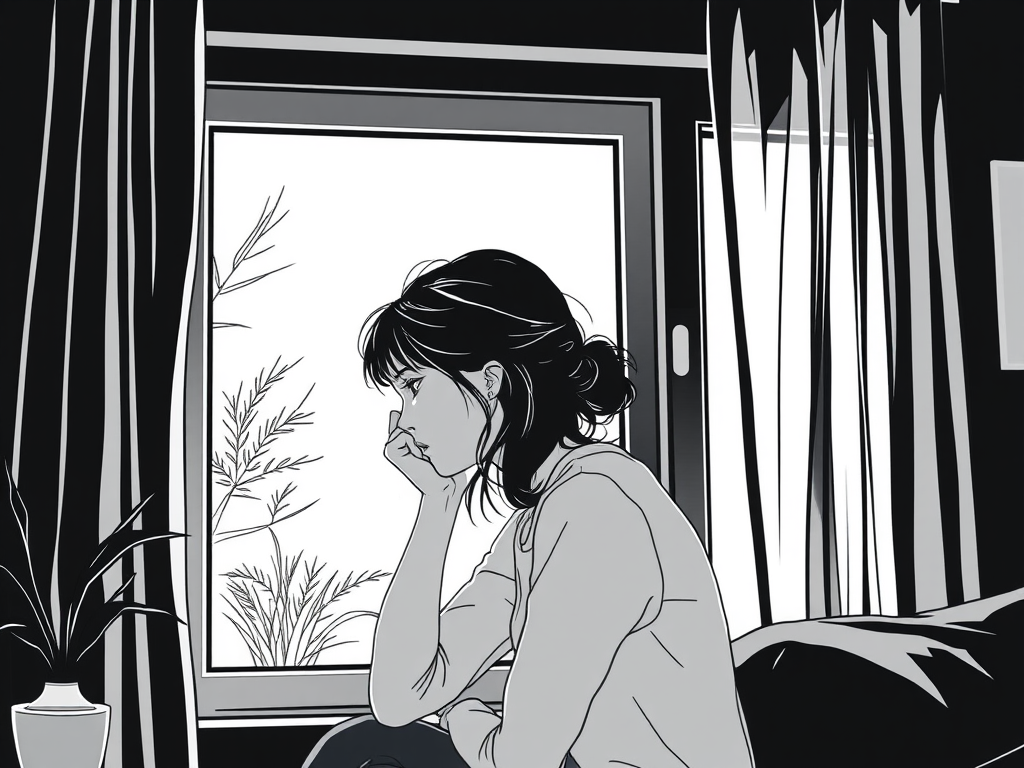
Some time ago, I ran into an old acquaintance I hadn’t seen in years. As we engaged in the expected exchange of updates, I asked about her eldest daughter. She told me her daughter was doing well—she had recently married—but when I asked whether she planned to have children soon, her answer was sobering: “No, she’s too concerned about what’s happening in the world. She feels it isn’t a safe place to have children.”
Her daughter doesn’t live in a war-torn or impoverished country. She lives in Western Europe, holds a stable job, and comes from a loving home. Yet, despite having every material advantage, she fears the future enough to forgo motherhood.
At another social event, I spoke separately with two young women in their early thirties, both struggling with mental health issues. They shared their fears about not being able to function in today’s world, burdened by pressure and uncertainty about their futures.
In yet another conversation, a friend’s acquaintance told me she had to force herself to leave the house because agoraphobia was creeping in. She was seeing a mental health specialist to address her anxiety and other struggles.
These encounters left me deeply unsettled. Mental health issues, especially among young women, are nothing new. History reminds us of the struggles faced by Virginia Woolf, Charlotte Perkins Gilman, and Sylvia Plath—women who grappled not only with personal turmoil but also societal pressures. More recently, we have seen reports detailing the impact of the COVID-19 pandemic on younger generations. Yet, I can’t shake the feeling that something more is happening. It seems that more young women than ever before are struggling to cope.
The Statistics Speak Volumes
According to a 2017 report by Mental Health UK, women are three times more likely than men to experience common mental health problems such as depression and anxiety. In 1993, this risk was twice as likely, meaning the disparity is growing. Rates of self-harm have tripled since 1993, and young women are three times more likely than men to suffer from post-traumatic stress disorder. Additionally, anxiety-related conditions are most prevalent among young women.
These statistics are mirrored across Western Europe and North America, and numbers have continued to rise since the pandemic. But why do women experience more mental health challenges than men?
The Weight of Modern Pressures
The reasons behind this crisis are complex and multifaceted. Biological factors such as hormonal fluctuations play a role, but socio-economic stressors are equally significant. Poverty, workplace inequality, physical and sexual abuse, and the pressures of caregiving all contribute to heightened levels of anxiety and depression.
Yet these issues have existed for centuries—so why have rates increased so dramatically in recent years?
Professor Jayashri Kulkarni from HER Centre Australia at Monash University suggests that modern young women face a unique set of challenges in navigating their identities, including:
- Career and educational aspirations
- Body image insecurities
- Sexual and relationship expectations
- Social network development and maintenance
Social media exacerbates these pressures by fostering unrealistic comparisons and misinformation. Many young women engage in digital relationships that can deepen feelings of isolation and disconnect from reality.
Additionally, loneliness is an often-overlooked factor. Kulkarni notes that young women experience profound feelings of emptiness more commonly than acknowledged. The pandemic lockdowns intensified this issue, cutting them off from critical support systems and social outlets.
Surveys measuring post-pandemic mental health reveal increased rates of depression, anxiety, eating disorders, and substance addictions—especially among young women. Though the restrictions have lifted, their emotional wounds continue to linger.
A Generational Struggle
The pressures faced by young women today differ from those of previous generations. While women have long balanced multiple roles, today’s digital world imposes new standards—curated beauty ideals, relentless public scrutiny, and a culture where mistakes can be magnified and immortalized online. Unlike before, there’s little room for imperfection.
So, how do we help this generation of smart, creative, compassionate, and talented young women?
We start by reminding them that they are more than enough. We offer support not by merely asking what they need, but by showing up—attuned to their struggles, ready to help in ways they might not yet articulate.
We foster stronger communities so that no one faces their burdens alone, making caregiving a shared responsibility rather than an isolating duty.
We tell them it’s okay to stumble, that they are beautiful in every facet of their existence—flaws and all.
Most importantly, we hold them close in our hearts and refuse to let them slip through the cracks.
If you enjoy reading my insights and would like to stay updated on my latest posts, please subscribe to my blog for email notifications. Subscription is free!
 RosieGlobal
You must be logged in to post a comment.