
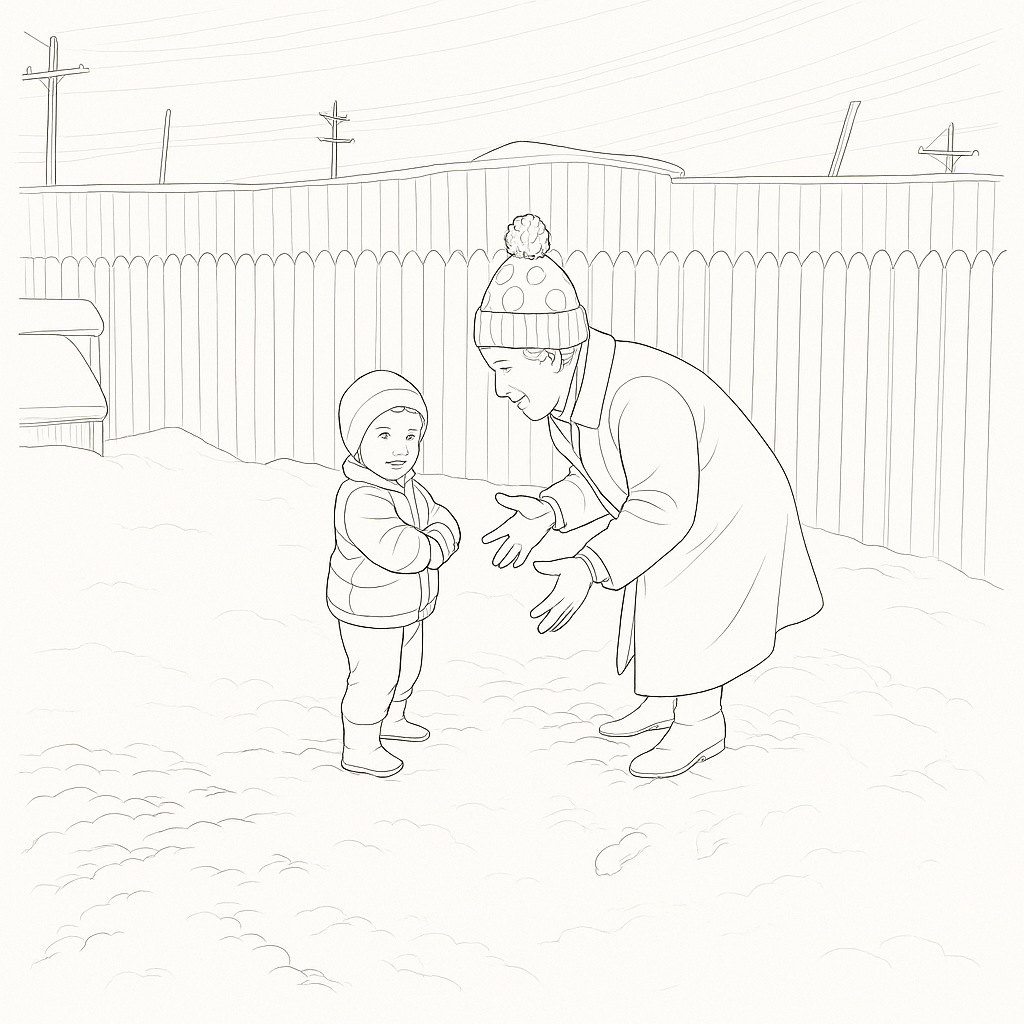
Today is my mother’s birthday. Her first since her passing last year. For the first time in my life, there’s no phone call to be made, no present to be bought.
Losing a parent is one of life’s most difficult chapters. In my mother’s case, it happened more than once. She had Alzheimer’s disease, and so I lost her in waves—each wave pulling another piece of her back to the ocean.
In the final years of her life, she no longer knew who I was. Nor my children. She had forgotten her husband—my late father—her childhood, her dreams, her life. She became a kind, quiet woman in a wheelchair, smiling whenever someone greeted her or when the sing-alongs began in the care home’s rec room.
I can’t say her passing was a relief for me. I had adapted to her condition, found a way to still enjoy our time together. But for her, death was a release. She had developed cancer that had spread through her body, bringing her immense pain—especially in those final days. Her passing, quite literally, set her free.
Although this is my personal story, I know it’s not unique. According to the World Health Organization, 57 million people worldwide were living with dementia in 2021. That number is expected to rise to 152 million by 2050. Around 10 million new cases are reported every year.
Just imagine—millions of people who no longer remember their parents, their first love, their dreams. People who forget who they were, who their children are, who lose their ability to communicate. Their bodies remain, but their personalities and identities fade, leaving behind a shell inhabited by someone we no longer fully recognize.
When my mother passed, I kept thinking about the girl she once was. What had she dreamed of becoming as a teenager? What had she imagined for herself—and for us, her children? Many of those dreams didn’t come true. And I grieved that. I grieved not only her death, but the unlived life I felt she deserved.
On this first birthday since her passing, I still wish more had been possible for her. But over the past months, I’ve begun to release that sorrow. I’ve found comfort in the belief that she was at peace with her life as it unfolded. That the absence of some dreams made room for real happiness in unexpected places.
She never made it to France, no. But she did make memories with us on countless trips to the Wisconsin Dells—and I believe she cherished that even more.
It’s a shame she couldn’t remember those joyful moments. But just because she forgot them doesn’t mean they didn’t exist. She lived. She loved. She laughed, fought, reunited, cried. She was a beautiful woman—inside and out. And even when she couldn’t remember who she was, we did. She couldn’t preserve her identity, but we carried it for her. In all the times I said goodbye to parts of her, I didn’t yet realize that she wasn’t disappearing—she was taking up residence in my memory. She lived on in me.
Today I honor the woman who brought me into the world and raised me into the woman I am. The woman who shone her unique light into the world, a light that now lives on in those she touched.
And I honor all those living with dementia—patients, family members, caregivers, friends. You are walking a path no one should have to face alone. I hope, wherever you are on it, you find peace.
Happy heavenly birthday, Mom. My gift to you is this: I remember.
If you enjoy reading my insights and would like to stay updated on my latest posts, please subscribe to my blog for email notifications. Subscription is free!
 RosieGlobal
You must be logged in to post a comment.