Welcome to my blog! My name is Rosie, and I am a sociologist of religion with a master’s degree in Middle East Studies. I also have a background in the public sector and government.
This blog serves as a platform for my reflections on current affairs, history, politics, and, of course, religion. As a passionate lover of the arts, I often draw on literature and other artistic forms to enhance and illustrate my thoughts. Alongside sharing my opinions, I aim to shed light on happenings that don’t always make it to the front pages of newspapers.
As a novice blogger, I greatly appreciate any feedback I might receive. At the same time, I reserve the right to express my opinions freely.
If you enjoy reading my insights and would like to stay updated on my latest posts, please subscribe to my blog for email notifications. Subscription is free!
Thank you for visiting, and I hope you find my writings engaging!
Some time ago, I ran into an old acquaintance I hadn’t seen in years. As we engaged in the expected exchange of updates, I asked about her eldest daughter. She told me her daughter was doing well—she had recently married—but when I asked whether she planned to have children soon, her answer was sobering: “No, she’s too concerned about what’s happening in the world. She feels it isn’t a safe place to have children.”
Her daughter doesn’t live in a war-torn or impoverished country. She lives in Western Europe, holds a stable job, and comes from a loving home. Yet, despite having every material advantage, she fears the future enough to forgo motherhood.
At another social event, I spoke separately with two young women in their early thirties, both struggling with mental health issues. They shared their fears about not being able to function in today’s world, burdened by pressure and uncertainty about their futures.
In yet another conversation, a friend’s acquaintance told me she had to force herself to leave the house because agoraphobia was creeping in. She was seeing a mental health specialist to address her anxiety and other struggles.
These encounters left me deeply unsettled. Mental health issues, especially among young women, are nothing new. History reminds us of the struggles faced by Virginia Woolf, Charlotte Perkins Gilman, and Sylvia Plath—women who grappled not only with personal turmoil but also societal pressures. More recently, we have seen reports detailing the impact of the COVID-19 pandemic on younger generations. Yet, I can’t shake the feeling that something more is happening. It seems that more young women than ever before are struggling to cope.
The Statistics Speak Volumes
According to a 2017 report by Mental Health UK, women are three times more likely than men to experience common mental health problems such as depression and anxiety. In 1993, this risk was twice as likely, meaning the disparity is growing. Rates of self-harm have tripled since 1993, and young women are three times more likely than men to suffer from post-traumatic stress disorder. Additionally, anxiety-related conditions are most prevalent among young women.
These statistics are mirrored across Western Europe and North America, and numbers have continued to rise since the pandemic. But why do women experience more mental health challenges than men?
The Weight of Modern Pressures
The reasons behind this crisis are complex and multifaceted. Biological factors such as hormonal fluctuations play a role, but socio-economic stressors are equally significant. Poverty, workplace inequality, physical and sexual abuse, and the pressures of caregiving all contribute to heightened levels of anxiety and depression.
Yet these issues have existed for centuries—so why have rates increased so dramatically in recent years?
Professor Jayashri Kulkarni from HER Centre Australia at Monash University suggests that modern young women face a unique set of challenges in navigating their identities, including:
Career and educational aspirations
Body image insecurities
Sexual and relationship expectations
Social network development and maintenance
Social media exacerbates these pressures by fostering unrealistic comparisons and misinformation. Many young women engage in digital relationships that can deepen feelings of isolation and disconnect from reality.
Additionally, loneliness is an often-overlooked factor. Kulkarni notes that young women experience profound feelings of emptiness more commonly than acknowledged. The pandemic lockdowns intensified this issue, cutting them off from critical support systems and social outlets.
Surveys measuring post-pandemic mental health reveal increased rates of depression, anxiety, eating disorders, and substance addictions—especially among young women. Though the restrictions have lifted, their emotional wounds continue to linger.
A Generational Struggle
The pressures faced by young women today differ from those of previous generations. While women have long balanced multiple roles, today’s digital world imposes new standards—curated beauty ideals, relentless public scrutiny, and a culture where mistakes can be magnified and immortalized online. Unlike before, there’s little room for imperfection.
So, how do we help this generation of smart, creative, compassionate, and talented young women?
We start by reminding them that they are more than enough. We offer support not by merely asking what they need, but by showing up—attuned to their struggles, ready to help in ways they might not yet articulate.
We foster stronger communities so that no one faces their burdens alone, making caregiving a shared responsibility rather than an isolating duty.
We tell them it’s okay to stumble, that they are beautiful in every facet of their existence—flaws and all.
Most importantly, we hold them close in our hearts and refuse to let them slip through the cracks.
If you enjoy reading my insights and would like to stay updated on my latest posts, please subscribe to my blog for email notifications. Subscription is free!
This weekend, much of the world will celebrate Easter. Whether through Easter egg hunts or attending Easter Mass, it’s a time for families and friends to come together—a gentle reminder that we are more than just individuals and that moments of reflection are valuable.
My earliest memories of Easter involve waking up to an Easter basket filled with goodies beside my bed—a delightful gift from the Easter Bunny. After breakfast, we’d change into our new ‘Easter’ clothes, as my parents called them, and drive to downtown Chicago. We’d stroll along the lakeside, enjoying the usually pleasant spring weather. I have countless childhood photos of us posing by the lions at the Art Institute or with the stunning backdrop of Lake Michigan. As a child, I didn’t fully understand the reason behind this annual tradition, but looking back, I’m grateful my parents enriched us with these warm memories.
Since we weren’t raised religiously, we never went to church—not even for significant holidays. Growing up, I had only a vague understanding of who Christ was, and it never went much deeper than that.
It wasn’t until later in life that I truly grasped the narrative of the Passion and its importance to the Christian faith. While studying Religion Studies (an admittedly unconventional choice, given my upbringing—perhaps a story for another time), I realized just how much catching up I had to do. Over the years, I’ve come to find it remarkable how many people, even practicing Christians, don’t know the full narrative or the rich symbolism connected to Easter and the events surrounding the death and resurrection of Christ. This gap in religious understanding is especially evident in highly secular regions of Western Europe, but it’s not exclusive to them.
So, what does Easter mean to those who aren’t part of the Christian faith? Or, perhaps more accurately, what can Easter represent to those who don’t adhere to Christianity? The answer might surprise you.
Religion, as a topic, can be complex and polarizing. Many blame religion for societal issues. Others misuse it to justify their actions, while some dismiss it as outdated and irrelevant in modern life. But as a sociologist of religion, I take a different stance. To me, religion is deeply personal—it can be whatever someone wants it to be. It is a belief system, often enriched by traditions and symbols that foster a connection between the devotee and the divine. Some sociologists even argue that football fandom can resemble religious devotion, but that’s perhaps a discussion for another day.
Religious organizations, however, are a different matter. They are structured entities built around belief systems, with rules, resources, and responsibilities, much like other organizations. For now, though, I’ll focus on religion as a belief system rather than its institutional forms.
What, then, can we all learn from the narrative of Easter? At its core, Easter is about forgiveness. Yes, it’s also about sacrifice, atonement, redemption, reconciliation, and salvation—but ultimately, forgiveness stands out as the central theme.
In the Easter story, Jesus Christ’s sacrifice and resurrection symbolize God’s forgiveness of humanity, restoring the relationship between the divine and mankind. Through Christ’s death and resurrection, Christians are reminded of the light that came into the world and the promise of life after death for believers.
Stripping away the language of the New Testament, what remains is a profound tale of an innocent man who takes on the burden of others’ sins, ultimately sacrificing himself so that others may find redemption. It’s a powerful reminder that we, as humans, have the capacity to forgive. Despite our flaws and mistakes, true and sincere forgiveness can pave the way for healing and renewal.
Forgiveness, however, doesn’t mean condoning wrongdoings. It’s about clearing the path for moving forward in a healthier, more constructive way. A friend of mine, who often reads autobiographies of women who have experienced assault, once shared her frustration: “In all the books I’ve read, the women always forgive their assaulters.” She couldn’t understand why. I told her, “Forgiveness isn’t about saying ‘what you did was okay.’ It’s about finding a way to move on.”
This insight isn’t my own invention—it’s something I learned from the Passion narrative. Sometimes, innocence is sacrificed for the sake of understanding the transformative power of forgiveness. To be clear, I don’t mean this literally. Please don’t sacrifice innocent humans and animals.
In today’s world, we are often so divided—by politics, money, and misconceptions about others. Anger drowns out understanding, and people frequently react to words without grasping their true meaning. As a society, we’re losing our ability to listen, to empathize, and to connect. We’re forgetting how to be a community—to care for one another, to understand one another, and to forgive one another.
This Easter Sunday, as you watch your children hunt for eggs, share a family brunch, or simply relax on the couch with chocolate eggs and old movies, take a moment for gratitude and forgiveness. Let it be a gift to yourself and those around you. Happy Easter.
If you enjoy reading my insights and would like to stay updated on my latest posts, please subscribe to my blog for email notifications. Subscription is free!
On April 5th, 2025, a symbol of burgeoning democracy took to the streets across the United States. The Hands Off! movement, an alliance of national and local organizations, orchestrated over 1,400 mass protests, with more than 600,000 people formally signing up, while an estimated millions rallied in solidarity. This movement, borne from the sentiment of citizens feeling a ‘hostile takeover’ of their democratic rights, showcased the power of collective action in the face of adversity.
At the heart of Hands Off! lies a threefold demand that reflects the anguished cry for justice and accountability:
An end to the billionaire takeover and rampant corruption of the Trump administration;
An end to slashing federal funds for Medicaid, Social Security, and other programs working people rely upon; and
An end to the attacks on immigrants, trans people, and other communities.
These protests erupted in the wake of turmoil in the stock markets following President Trump’s announcement of import tariffs on foreign goods. This move was met with a swift backlash from investors, signifying widespread disapproval and leading to global economic disarray—a stark reminder of how interconnected our societal fabric truly is.
But what do chaotic stock markets and passionate protests have in common? At their core, they both reflect a profound crisis of trust.
Trust is the cornerstone of governance. Citizens bestow their safety—and, by extension, their livelihoods—into the hands of their elected officials, expecting them to operate with integrity and respect. Politicians embody the values and responsibilities of the government, and when they fail to uphold trust, they erode the very foundation of democracy.
It’s crucial to remember that government is fundamentally different from the corporate world. While businesses exist to maximize profit, governments are meant to protect and empower their citizens. Today, the definition of safety encompasses much more than mere physical protection; it includes access to healthcare, education, and social services, safeguarding the vulnerable, and ensuring a society where everyone can thrive.
Unfortunately, since the advent of the Trump administration, this fundamental understanding has been jeopardized. Policy decisions that have shocked the nation—mass firings of officials, dismantling of crucial research funding, rampant deportations, attacks on diversity, and exorbitant tariffs—have not only tested citizens’ patience but also their belief in their leaders. Facing such upheaval, citizens are left feeling anxious and, at times, alarmed by the prospect of losing the rights and protections they hold dear.
Political leaders who betray the trust of their constituents often find themselves isolated. When citizens perceive their representatives as dishonest or disconnected, the consequences are severe. History teaches us that even the most steadfast leaders can tumble from grace when they neglect the voices of the people they serve. The mounting skepticism among Republicans themselves serves as a harbinger of a growing rift between Trump and his supporters—a worrisome sign of a faltering connection.
Amid this political storm, the President’s seeming indifference only deepens the rift. His weekends on the golf course juxtaposed against a backdrop of national unrest reflect a leader out of touch with the pulse of the nation. While he may believe that his time in office is secure for the foreseeable future, he underestimates the power of public sentiment. The impending midterm elections present a critical juncture that could either solidify or dismantle the political landscape.
Thus, as we stand at a crossroads, it becomes paramount for leaders to recognize that governance is not a game of cards; it is a profound responsibility that demands respect, transparency, and empathy. Trust is not simply a commodity to be bartered or manipulated; it is a sacred bond between the governed and those who govern. Rebuilding this trust begins anew with listening, understanding, and holding ourselves accountable.
The question facing us now is not simply about the policies that divide us but about the trust that binds us. In a democracy that thrives on the engagement and participation of its citizens, rebuilding that trust is not just necessary; it is our greatest challenge and our most urgent duty. A united call for accountability may very well be the key to restoring faith in our government and, ultimately, ourselves and each other.
If you enjoy reading my insights and would like to stay updated on my latest posts, please subscribe to my blog for email notifications. Subscription is free!
I recently finished a compelling series on The Rest Is History podcast, focused on the events leading up to the First World War, also known as “The Great War.” Not only is history presented in a captivating manner, but this series also encourages us to examine our present circumstances more critically.
One striking takeaway is that, as tensions escalated toward war, no one truly believed they were heading toward a catastrophic conflict. Despite the diplomatic messages being exchanged, the self-serving political alliances, and the awareness that one country’s aggression could provoke retaliation, leaders were convinced that a “great war” would not emerge from what they perceived to be minor conflicts. They underestimated the gravity of the situation, viewing the assassination of Archduke Franz Ferdinand of Austria and his wife, Sophie, as merely an individual tragedy. It wasn’t until circumstances spiraled beyond control that some government officials realized the full impact of their actions—far too late for the over nine million soldiers, mostly young men, who lost their lives.
Studying history offers us a chance to analyze past events and learn from them. Social, political, and economic patterns transcend time, showing that when people are hungry and dissatisfied with their leaders, unrest often follows. In dire situations, the masses frequently seek a common enemy to blame for their grievances. While this scapegoating doesn’t remedy the underlying issues, the perception that action is being taken often fosters hope for the future.
Looking at recent years in the U.S., we can observe parallels to the discontent of the early twentieth century. I’ve explored this theme in earlier writings, such as “Humanity at a Crossroads.” (https://rosieglobal.com/2025/01/27/the-second-coming/) Many others have also drawn comparisons between pre-World War II circumstances and our current landscape. Just as we regard World War I as a precursor to World War II, we should examine the buildup to World War I to identify any warning signs that might signal a repeat of history.
Take Kaiser Wilhelm II, for instance—a figure marked by tragedy and misunderstanding. The grandson of Queen Victoria, he was both rejected by his family and teased for his physical disabilities. He channeled his grief into a deep desire for recognition and importance. When his beloved nephew and niece were assassinated, Wilhelm felt compelled to support the alliance between Germany and Austria, seeking revenge for their deaths.
The situation grew more complicated as Russia, allied with Serbia—the nation Germany and Austria were threatening—became involved. Russia feared that a war in the Balkans would jeopardize crucial trade routes, specifically the grain imports from Odessa and Kyiv. Meanwhile, while France officially held no alliance with Britain, Prime Minister Grey made informal promises to the French ambassador, leading to a tacit understanding that would come into play. With Germany and Austria-Hungary firm in their alliance, they found themselves flanked by two military power blocs: Britain and France to the west and Russia to the east.
One might assume this situation was a recipe for disaster, but then-world leaders saw it differently. Austria had previously invaded Balkan territories without facing serious consequences from Russia. The British were preoccupied with their own internal strife in Ireland, and Germany didn’t anticipate escalating into war. Wilhelm II naively thought that Serbia would accept their demands, leading to a manageable resolution. For France, while resentment lingered regarding the loss of Lorraine and Alsace, the idea of a “great war” was not on their minds; minor reprisals seemed sufficient.
It’s often said that hindsight is 20/20 vision, and that holds true, especially if we are willing to learn from the past.
In today’s world, allowing events to unfold without acknowledging the potential for catastrophic outcomes presents significant risks. As we observe long-standing alliances weakening amidst political division and economic troubles, we can see troubling parallels. Currently, we witness a major power led by an individual who craves reverence and control, potentially willing to disregard free speech and human rights for personal gain and political maneuvering. He has openly threatened military action to annex territories and imposed tariffs under the guise of protecting national interests, while also distancing the U.S. from international responsibilities and treaties.
Yet, despite these alarming trends, his supporters praise his leadership, viewing him as someone who delivers on his promises. They believe that his aggressive rhetoric is merely bluster. They think he will make their country great again. The potential harm it can do to other countries and peoples is of no concern to them.
Many leaders from other nations downplay the situation, believing that flattering this leader can mitigate his more extreme aspirations. They argue that annexation will never occur—it contradicts international law, after all. The prevailing thought seems to be that if they appease his demands, they can avoid dire consequences. They carefully try not to make waves or provoke an emotional outburst from him. He is regarded as a transactional leader; they think they know him and can play his game. However, underestimating the potential for conflict, based on familiarity with past behaviors and dynamics, can be a grave mistake.
So, we find ourselves at a crossroads. We can lull ourselves into complacency by the belief that current tensions can be managed. We can make ourselves believe it won’t come to an annihilation of democracy and human rights in his country. That he won’t start a war because he wants more power. That he won’t start a war because he wants to control trade routes. That he won’t start a war because he harbors a grudge against certain countries he feels treated him disrespectfully in the past.
Or we can recognize that we are positioned atop a powder keg, aware of the risks we face. That we must act progressively in order to maintain peace. The lessons from history are clear: ignoring the warning signs could lead us down a perilous path.
If you enjoy reading my insights and would like to stay updated on my latest posts, please subscribe to my blog for email notifications. Subscription is free!
Recently, I watched an Instagram video featuring an excerpt from Maria Shriver’s interview on CBS’ Sunday Morning. She discussed her journey of self-healing and, of course, her new book.
Her words struck a chord and have lingered in my mind ever since. She posed a powerful question:
“If the exterior labels fall away, who are you underneath all of that?”
This question is especially relevant for anyone on a journey of self-discovery or striving to define themselves. While Maria frames it through her circumstances—as a woman in her mid-fifties, recently separated, and having left her career behind years ago—this question resonates with countless individuals navigating their own identities.
Interestingly, the Netflix series everyone is talking about—Adolescence—explores similar themes. Adolescence has always been a time of identity formation, but today’s teenagers face added pressures, largely due to social media’s influence. The platform amplifies societal narratives about masculinity: what kind of men boys should aspire to be, how they should interact with others, particularly women, and the behaviors deemed acceptable. In Adolescence, the alpha male archetype is portrayed in troubling ways, associating aggression and violence with manhood—a deeply concerning depiction.
The theme of identity has been a cornerstone in art and humanities for centuries, yet it feels especially pressing today. We live in an era fraught with uncertainties. Global politics shake us daily, environmental changes remind us of our fragility, and the world feels increasingly unsafe. Adding to this, social media bombards us with endless imagery and voices telling us how to look, act, and feel—all while pushing us to conform to unattainable ideals.
In professional life, we grapple with expectations, peer pressure, and the financial constraints that keep us in jobs we dislike. We avoid discussing politics for fear of jeopardizing relationships. Vulnerability is often shunned, perceived as weakness. In this climate, labels become a shield—a way to present curated versions of ourselves and distance our true selves from reality.
One speaker—whose name I can’t recall—made a striking observation in another talk show: “Social media isn’t the problem; it’s merely a podium for societal issues.” While that’s partially true, it’s impossible to deny social media’s significant role in shaping our identities. For too long, social media has been dismissed as separate from reality. It’s not. It’s a tangible part of our lives, deeply intertwined with how we define ourselves. Popular labels often dominate, and in their quest for acceptance, many people adopt the most viral or trendy ones without question.
Maria Shriver’s statement, “I went on a spiritual quest to find out who I was, what shaped me, and who I wanted to be”, is not just her journey—it’s a universal one. Whether adolescents, young adults, or mature adults, we all yearn to know who we are when the exterior layers are stripped away. Yet, in this digital age, it’s all too easy to ignore this intrinsic need or outsource it to curated content. After all, who has the time or energy for genuine self-reflection?
Nevertheless, prioritizing that question—who am I without my exterior labels?—is essential. To be honest, I don’t have an answer yet. Like many others, I define myself through external markers: my career, location, hobbies, marital status. But strip those away, and I’m at a loss.
So, thank you, Maria, for posing this question that has stayed with me. I’ve decided to take the time to “de-label” myself and embark on the journey to discover my authentic self. I sincerely hope Maria’s words and shows like Adolescenceinspire more people to do the same—to explore their identities beyond societal labels and external expectations.
Perhaps such introspection could lead to a more connected society, one built on genuine human connection. It could provide space for our children to grow without social media’s overwhelming influence. It could empower individuals to embrace their uniqueness—uncategorizable, vulnerable, and talented beyond the confines of catchy phrases or viral posts. Imagine that: a world where we don’t need labels to define who we are.
If you enjoy reading my insights and would like to stay updated on my latest posts, please subscribe to my blog for email notifications. Subscription is free!
March 2025 has emerged as a month marked by significant political events that have reverberated not only throughout the United States but also around the world. The preeminent topic of discussion has been American politics, led by the increasingly controversial Trump administration.
President Donald Trump intensified his administration’s activities by signing multiple executive orders, including a provocative move to designate English as the official language of the United States. Other contentious decisions included shutting down several state-funded broadcasters and commencing the dismantling of the Department of Education. These measures sparked debates on the implications for education equity and media diversity.
The ongoing war in Ukraine entered its fourth year, with increasing pressure to find a resolution. President Trump actively pursued peace negotiations, even hosting discussions in Saudi Arabia aimed at establishing ceasefires in key areas, such as the Black Sea. The U.S. also proposed stricter sanctions on Russian oil and secondary sanctions on its buyers to push Russia towards a general ceasefire. However, talks have been marred by tensions, including a disconcerting public exchange with Ukrainian President Volodymyr Zelensky. The European Union, along with Britain’s Prime Minister Keir Starmer, reiterated support for Ukraine, pledging substantial financial aid, advocating for stronger sanctions against Russia and a reassured military presence to deter further aggression.
In related international dynamics, the U.S. military undertook airstrikes in Yemen against Houthi targets, resulting in casualties that raised alarms about ongoing conflicts in the Middle East. This coincided with controversy that erupted when journalist Jeffrey Goldberg was inadvertently added to a Signal group chat involving senior U.S. officials. The chat revealed sensitive details about strikes against Houthi targets, sparking concerns over operational security.
In the realm of trade, the Trump administration’s imposition of a 25% tariff on automotive imports has drawn fire from Canada and Japan, both of whom condemned the tariffs as attacks on their economies. Canadian Prime Minister Mark Carney, who recently achieved a landslide victory to become prime minister, responded firmly, pledging to retaliate against this protectionist tactic.
Furthermore in the North America, Greenland held elections for its Inatsisartut, with the center-right opposition party Demokraatit winning a plurality of seats. This marked a significant shift as the ruling Inuit Ataqatigiit–Siumut coalition lost its majority. Meanwhile, U.S. President Donald Trump stirred controversy by refusing to rule out the annexation of Greenland during a meeting with NATO Secretary General Mark Rutte.
Escalating Israeli-Palestinian Conflict
The fragile ceasefire in Gaza entered a precarious second phase, only to collapse under worsening conditions. Israel demanded the release of all hostages held by Hamas, blocking humanitarian aid and resuming intense bombing campaigns. The renewed airstrikes resulted in extensive loss of life and destruction across Gaza, with over 404 Palestinians killed and 560 injured on March 18 alone—a devastating toll since the January ceasefire began. UNICEF reported that one in three children in North Gaza now suffers from malnutrition, describing the humanitarian crisis as “catastrophic.”
The international community expressed grave concern over these events. The United Nations Human Rights Council accused Israel of committing war crimes and acts of genocide, citing systematic destruction of healthcare systems and gender-based violence. Israeli Prime Minister Benjamin Netanyahu dismissed these claims as “biased” and “antisemitic,” further deepening divisions.
Syria
The new Syrian government faced severe challenges as violence erupted against former supporters of ousted President Bashar al-Assad. Despite promises of judicial fairness, sectarian reprisals led to devastating massacres. Over 1,300 Syrians, including 973 Alawites, Christians, and other minorities, were killed in just 72 hours during clashes between the transitional government and pro-Assad forces. The Syrian Observatory for Human Rights (SOHR) reported that pro-government forces executed 52 Alawite men in Latakia and killed over 750 Alawite civilians in western Syria. Thousands of civilians remain missing, with reports of mass graves and cremations to conceal the scale of atrocities.
In response, the Syrian presidential office announced the creation of a National Security Council to address internal security issues. Meanwhile, the European Union pledged €2.5 billion in aid, and Germany committed €300 million to stabilize Syria and address its humanitarian crisis. Vice-President of the European Commission Kaja Kallas emphasized the need for stability, advocating for lifting sanctions to restore diplomatic ties.
Asia
Foreign ministers from Japan, China, and South Korea convened in Tokyo to address shared challenges, including aging populations and climate change. The meeting aimed to strengthen regional cooperation and prepare for a leaders’ summit. Japan raised concerns about North Korea’s security threats, while China criticized protectionism and the politicization of science. This trilateral dialogue underscored the importance of collaboration in navigating global uncertainties.
In a landmark decision, the Tokyo District Court ordered the dissolution of the Unification Church, marking the first revocation of a religious organization’s status in modern Japanese history. The ruling followed investigations linking the church to manipulative fundraising practices and its controversial ties to the assassination of former Prime Minister Shinzo Abe. The decision has sparked debates about religious freedom and accountability.
Former Philippine President Rodrigo Duterte was arrested at Manila’s Ninoy Aquino International Airport upon his return from Hong Kong. The arrest warrant, issued by the International Criminal Court (ICC), charged Duterte with crimes against humanity during his controversial “war on drugs.” He was swiftly extradited to The Hague, Netherlands, where he now faces trial.
A catastrophic 7.7 magnitude earthquake struck Sagaing, Myanmar, on March 28, causing widespread destruction and claiming over 1,000 lives in Myanmar and 10 in Thailand. The quake damaged 61 ancient pagodas and religious buildings, including the Four-Storied Monastery in Inwa. Myanmar’s government declared a state of emergency as rescue efforts continued.
Africa
In Somalia, conflict intensified as Al-Shabaab militants launched attacks. A 24-hour siege at a hotel in Beledweyne resulted in 15 civilian deaths and the elimination of six attackers while an assassination attempt on President Hassan Sheikh Mohamud near Mogadishu’s Aden Adde International Airport left 10 dead and 20 injured. These incidents led to calls for Mohamud’s resignation amid worsening security and governance crises.
In Ethiopia, the National Defense Forces reported killing over 300 fighters from the Fano armed group during clashes in the Amhara region. This marked a significant escalation in the ongoing conflict.
Angola confirmed the initiation of peace talks between the Democratic Republic of the Congo (DRC) and the Rwanda-backed March 23 Movement (M23). The negotiations aim to address the long-standing conflict in the mineral-rich eastern DRC.
In Khartoum, Sudan, the discovery of 11 bodies, including women and children, at the bottom of a well added to the region’s turmoil. The Sudanese government accused the Rapid Support Forces of being responsible for the deaths, highlighting ongoing instability.
The European Union announced a €4.7 billion investment in South Africa for aid and development projects, stepping in after the United States ended most of its USAID programs. This move highlighted the EU’s commitment to strengthening ties with South Africa amidst shifting global alliances. Meanwhile, U.S. Secretary of State Marco Rubio declared South African Ambassador Ebrahim Rasool persona non grata, citing his criticism of Donald Trump’s 2024 presidential campaign. This decision underscored growing tensions between South Africa and the U.S.
Bolivia
Severe floods in Bolivia led to the declaration of a national emergency. Over 50 lives were lost, and more than 100,000 people were displaced. The government mobilized resources to address the crisis, emphasizing the urgent need for international support.
European Preparedness Strategy
The European Commission unveiled a new preparedness strategy, urging citizens to stockpile 72 hours’ worth of food, water, and essentials. This initiative aimed to enhance resilience against natural disasters, cyberattacks, and geopolitical crises.
Pope Francis’ Recovery
Pope Francis faced a life-threatening health crisis after being admitted to Rome’s Gemelli Hospital on February 14, 2025, with bronchitis that escalated into double pneumonia. During his five-week hospitalization, the 88-year-old pontiff endured severe respiratory complications, including mild kidney failure and anemia, requiring mechanical ventilation and oxygen therapy. Despite these challenges, he showed remarkable resilience and was discharged on March 23, returning to the Vatican to continue his recovery. Doctors prescribed two months of rest and rehabilitation, and Pope Francis expressed heartfelt gratitude for the prayers and support he received during this critical period.
Good news
Amidst the backdrop of war and strife, there were moments of hope including a few historic firsts in leadership. Zimbabwe’s Kirsty Coventry was elected as the first female president of the International Olympic Committee—an achievement celebrated globally. In Namibia, Netumbo Nandi-Ndaitwah was sworn in as the country’s first female president. Her leadership symbolizes a new chapter in Namibia’s political landscape, emphasizing progress and inclusivity.
In a groundbreaking study published in Nature, scientists uncovered a previously unknown aspect of the immune system, offering promising avenues for personalized treatments against infections. By exploring the proteasome—a cellular system responsible for protein degradation and recycling—researchers discovered a vast reservoir of natural antimicrobial peptides. These peptides, which increase production during infections, demonstrated effectiveness in combating harmful bacteria in human cells and mice.
Despite the tumultuous events, March 2025 showcased human resilience in various forms, from political shifts and disaster recovery efforts to innovative scientific advancement. It highlights a world at a crossroads, grappling with conflict and the pursuit of peace, as leaders and citizens alike navigate complex challenges.
Growing up, my paternal family would gather at my grandmother’s house for Christmas, Thanksgiving, and other special occasions. My uncles and father delighted in sharing amusing tales from their childhood—tales filled with harmless tricks played on my young, widowed grandmother. Eyes sparkling with laughter, tears sometimes streamed down their faces as they recalled the times they pretended to break the TV or staged accidents, lying ‘unconscious’ on the ground.
When my grandmother remarried, her daughter, my aunt, became the target of the pranksters’ mischief. With the arrival of the grandchildren, the identity of my paternal family crystallized: we were the pranksters. We reveled in these stories, and I cherished watching my family relive their past, united in joy around the dining room table.
Stories come in countless forms, yet they all share one powerful trait: they shape our identity. Whether it’s a cherished book, a childhood poem, or a family anecdote, these stories resonate within us. They evoke emotions, transport us through time, and root us in our shared history.
In today’s society, we often observe a troubling detachment among people. I believe this stems from a profound loss of stories. Yes, we are inundated with stories on social media and television, but these are not the narratives I’m referring to.
Social media storytelling often represents mere snippets of information, crafted with the intent of selling something—whether it’s a product, a persona, or a curated experience. We ‘sell’ ourselves, seeking validation in the form of likes from like-minded individuals. Yet, these stories fail to unite us; they do not foster a connection to our historical or familial roots.
What I long for are the stories passed down through generations, narratives created not for likes but for fostering a sense of belonging. These stories weave us into the fabric of family, community, and culture. They elicit laughter and tears and reinforce our sense of heritage.
As I observe people on public transportation, at work, in restaurants, or even around family kitchen tables, I see them transfixed by their screens—the blue light captivating their attention. Families are often engrossed in their phones, virtually connected to fragments of information, while the opportunity to share real stories—about their past, about our neighborhoods, or about cultural events that shape our daily lives—slips away unnoticed. They could reminisce about loved ones who have departed but remain an integral part of our identities. They could tell tall tales of their younger years.
However, this is not the story of 2025. We are disconnected, relying on social media’s distorted version of reality. As I reflect on the growing hatred in society, the fear children face at school, the obsession with constructed beauty, and the pervasive loneliness afflicting many, I ponder whether what we truly miss is more than just stories. We are missing the narratives that define us—what unites us, what makes us unique, and what encapsulates the essence of being human.
We have become a culture distanced from our heritage, severing our ties with past generations. Without these connections, we lose our sense of belonging to a greater continuum—a tapestry of humanity. We have become distracted from what truly matters. We have become victims of the blue light.
If you enjoy reading my insights and would like to stay updated on my latest posts, please subscribe to my blog for email notifications. Subscription is free!
Chuck Schumer may have inadvertently provided the Democratic Party with a critical opportunity to unify.
Let’s face it: things haven’t been going well for the Dems in a while. The party has been struggling to connect with middle-class and rural Americans for years. They were blindsided by Joe Biden’s declining health, despite his age, and they allowed insufficient time for Kamala Harris to mount a robust electoral campaign. Would it have made a difference? That remains uncertain, but the absence of a solid campaign strategy was certainly noticeable.
Now, the Democrats are in disarray. Calls for new leadership echo within the party, but there’s little consensus on what that should entail. In the House, Democratic members are divided into four distinct factions, complicating any efforts to rally around a single agenda. Initially, one might have thought being in the minority in the House and Senate would provide the Democrats with the space they desperately needed to regroup. That hasn’t been the case, to much frustration.
However, circumstances have shifted more rapidly than one could anticipate. Peace talks concerning Ukraine are stagnant at best, the economy is floundering, the stock market continues to tumble, and the ongoing tariff war is causing widespread anxiety. To add to these challenges, fundamental human rights are under siege. Figures like Trump and Musk have begun to target essential services like Medicare and Medicaid, leaving even some Republicans questioning the decisions they’ve backed. Yet, in the face of a daunting array of issues, the Democrats have struggled to land a solid blow—especially when the target is so large.
Just when it seemed the Democrats might be adjusting to these endless challenges, Senator Chuck Schumer of New York, the Senate Minority Leader, announced his decision to vote in favor of a continuing resolution. This was especially notable given the collective ‘nay’ votes from House Democrats, who felt justified in opposing it.
On one hand, you could argue both sides of the issue. A government shutdown would have far-reaching, detrimental effects: government employees could lose income or even their jobs, and halting such a vast enterprise would impact Americans across the country. Contrary to the belief of some, civil servants contribute significantly, keeping essential services running. On the other hand, if political figures like Musk succeed at laying off civil servants, it could lead the federal government to a standstill. Ultimately, in American politics, perception often outweighs objective reasoning.
And therein lies Schumer’s miscalculation, as well as his unexpected role as a unifier. His stance—that a government shutdown is detrimental—while valid, does little to demonstrate leadership from a minority party, especially when an opportunity arises to make a bold statement. The political landscape is hardly devoid of issues; the timing could have been ripe for Democrats to seize the momentum. Public fatigue towards Trump’s decision-making is evident, with some Republicans even expressing doubts about cutting healthcare for the vulnerable. True politicians recognize when to act decisively; Schumer’s hesitance reveals a profound lack of instinct.
However, in an unexpected twist, Schumer’s announcement has united the four factions within the Democratic House. They are not only rallying against the continuing resolution but are also demanding stronger leadership—a Senate leader who is not content to relax in a back room but who will fiercely advocate for their principles. They crave someone who is unafraid to challenge the status quo and address uncomfortable truths, someone who will stand tall and fight for what they believe in. The time for hesitation is over.
So, if you’re a Democrat feeling frustrated with Schumer’s vote alongside the opposition, it’s completely valid to be upset. Yet, perhaps there’s a silver lining to his decision. He has unwittingly paved the way for a more resilient and combative party, which could ultimately benefit them in the long run. The key now lies in their willingness to embrace this moment. Only time will tell.
If you enjoy reading my insights and would like to stay updated on my latest posts, please subscribe to my blog for email notifications. Subscription is free!
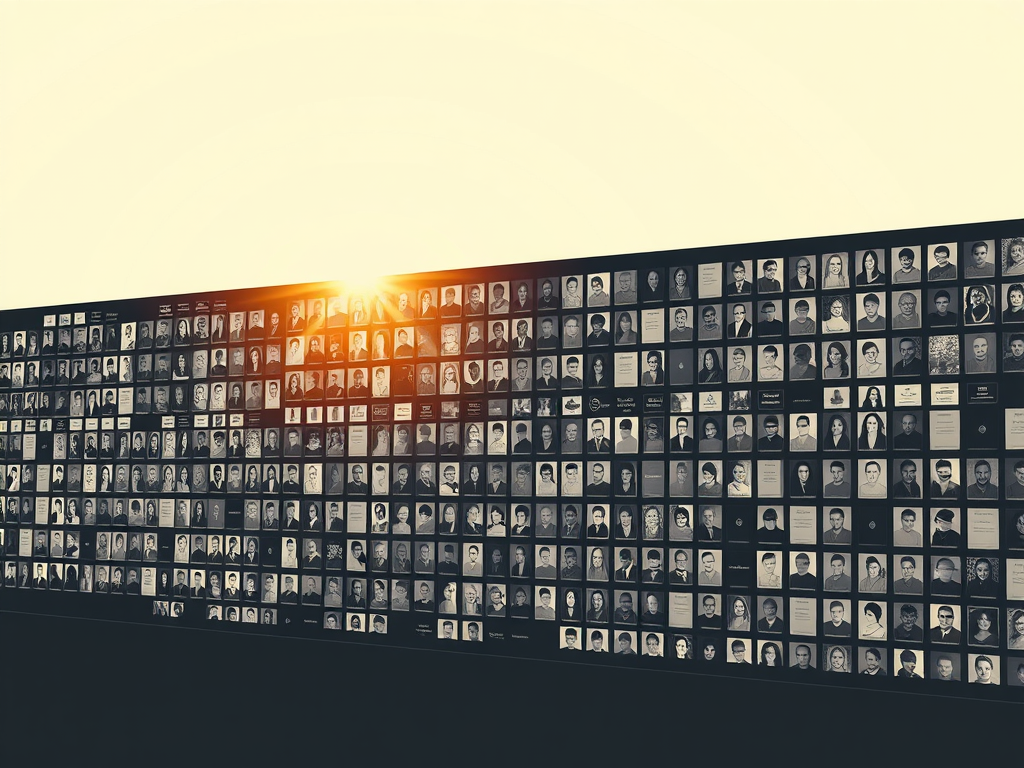
This past Sunday, March 9th, the British observed their annual Covid Day of Reflection. In London, a Highland piper led bereaved relatives and well-wishers along the national Covid memorial wall, which features 3,000 photographs of individuals who lost their lives to the virus—a small portion of the total 227,000 deaths in the UK alone. According to the World Health Organization, at least 3 million people died, directly or indirectly, due to Covid infections in 2020 alone. As of March 9th, 2025, there have been 7,090,763 confirmed Covid-induced deaths reported worldwide.
Moreover, it has been estimated that, as of January 2023, taking into account likely Covid-related deaths through excess mortality, the pandemic has caused between 19.1 million and 36 million deaths globally. (1)
With so much unfolding in the world, the pandemic seems like a distant memory. But it has only been five years, and the world is still grappling with its aftermath. In an article published in Nature magazine in August 2024, titled “Long COVID: Science, Research, and Policy,” researchers Ziyad Al-Aly et al. stated that “the cumulative global incidence of long COVID is around 400 million individuals, which is estimated to have an annual economic impact of approximately $1 trillion—equivalent to about 1% of the global economy.”
Beyond the economic distress, the effects of long Covid are devastating for those affected. Many are battling a chronic illness that the medical community has yet to fully understand, let alone treat. Most have lost their jobs and sources of income, becoming socially isolated due to debilitating fatigue among other symptoms. Prospects for a cure appear bleak, as this multi-system disease manifests differently in each individual, complicating efforts to develop a universal treatment.
In addition to the emergence of a new chronic disease, Covid—along with the measures implemented during the pandemic—has been identified as a contributing factor in the rising number of individuals struggling with mental health issues. Many of these individuals are children and young adults who have struggled to cope with the shutdown of schools, social distancing mandates, community lockdowns, and strict quarantine measures. The lack of social interaction and the fear of contagion have left an indelible mark on an entire generation.
Family members of those who died during the pandemic continue to feel the pain of not being able to hold their loved ones’ hands in their final moments or say goodbye in person. They remember poignant moments, such as the funeral of the late Prince Philip, where Queen Elizabeth II sat alone in her seat wearing a face mask, unwittingly becoming a symbol of the grief many faced—most of whom were denied the chance to organize proper funerals due to restrictions.
Socio-Political Shifts
In 2021, Kahl and Wright published their book “Aftershocks,” analyzing the pandemic’s impact and long-term effects on national and international politics. They draw comparisons to the Great Influenza of 1918, arguing that pandemics can “shape international order by undermining the material capabilities of key states and by producing contingent historical events that ripple through time. The agitation of underlying forces within and between countries can strain economies, worsen inequality, and contribute to social and political unrest.” The parallels to our post-Covid era are striking. Various scientific publications have noted that deglobalization and increased nationalism and isolationism are socio-political shifts that can be traced back to the pandemic.
So, what does this mean for us? History teaches us that the post-pandemic era following the Great Influenza was fraught with challenges that preceded even darker times. The Roaring Twenties, a period where many sought refuge in entertainment after the devastations of the Great Influenza and World War I, was short-lived and led to the Great Depression and the rise of Nazism. History also demonstrates that in times of crisis, people often focus on protecting ‘their own,’ unwittingly alienating ‘the other.’
Today, we find ourselves witnessing economic decline, increased protectionist measures by governments, a rise in nationalism and white supremacism in the Western world, and deglobalization—all against the backdrop of influencers and reality shows. Despite the warning signs and the voices of the alarmed, the masses remain unconvinced that catastrophe could loom if the tide does not shift.
Lessons to Be Learned
In contemplating the lessons to be learned from the pandemic, there appears to be a predominant focus on organizational aspects: How do we respond to the next pandemic? Should we reserve funds? How do we structure our health systems? Who needs a seat at the table to determine necessary measures?
What seems to be overlooked is the impact of the Covid pandemic on geopolitical affairs. Had this been a focus, perhaps the discussions taking place today would be different. World leaders would analyze social movements and seek to address the sources of discontent among their citizens, rather than merely responding to it with political rhetoric. They would heed the warning signs of emerging nationalism and protectionism and recognize where this path led a century ago. They would come to understand that global connectivity is essential to preserving humanity.
Is Covid entirely to blame for our current global situation? No, of course not. But it is a contributing factor that should not be dismissed. Covid has not only impacted our health and economies; it has, whether consciously or unconsciously, altered our perceptions of the world in which we live. The more aware we are of this, the more we can do to reverse its effects before it’s too late.
If you enjoy reading my insights and would like to stay updated on my latest posts, please subscribe to my blog for email notifications. Subscription is free!
One word comes to mind when I reflect on February: geopolitics. Although it may not be the most alluring term, there is no better way to encapsulate the state of the world today. As the global landscape becomes increasingly fraught with challenges, the imperative to strive for improvement remains clear.
Throughout February, former President Trump continued to astonish both allies and adversaries with his unpredictable decrees and statements. His administration generated considerable turmoil, highlighted by Vice President Vance’s attendance at the Global Security Conference in Munich. Trump’s approach toward the ongoing war in Ukraine has raised eyebrows, as he openly sought closer ties with Russia. He has demanded that Ukraine repay the United States a staggering $500 billion in rare earth minerals, framing it as compensation for U.S. expenditures related to the conflict. Moreover, the Trump administration recognized Russia’s control over specific regions in Ukraine, asserting that these areas should be considered Russian territory before negotiations have even commenced.
In response, Ukrainian President Volodymyr Zelensky offered a counter-proposal regarding the rare earth minerals. His plan suggests utilizing these resources as a means to guarantee a peaceful future for Ukraine, proposing an arrangement to “pay” for U.S. support should Russia launch another invasion. This clever strategy acknowledges that a portion of the minerals lies in territories currently under Russian control or disputed ownership. On this last day of the month, Zelensky and Trump are to meet; the world now watches closely for Trump’s reaction to Zelensky’s initiative.
As the geopolitical landscape shifts, Europe is finally taking steps toward unity in response to Trump’s rhetoric. Leaders like Ursula von der Leyen, Emmanuel Macron, and Keir Starmer have stepped forward, attempting to salvage the transatlantic alliance while demonstrating that they will not be intimidated. Friedrich Merz, the incoming German chancellor, has expressed skepticism about the need for a U.S. alliance and has advocated for the establishment of an independent European defense alliance. This move reflects a positive development in European political collaboration, even as the continent seeks a unifying leader. If Europe is to avoid being left vulnerable, the emergence of strong leadership is urgently needed.
On a domestic front, the Trump administration has remained busy with various controversial actions, including implementing tariffs, undermining human rights, terminating a significant number of government employees, and arguably disregarding constitutional norms. The administration’s stance on immigration, particularly its focus on detaining undocumented individuals and banning certain literature, has drawn widespread criticism. Notably, a nationwide boycott of major retailers and fast-food chains was organized on February 28, reflecting the mounting frustration among Americans regarding the rising cost of living and discriminatory employment practices against women and non-white individuals.
While many focus on the disintegration of transatlantic alliances and the de-democratization of the U.S., we must not overlook pressing issues elsewhere. The Israeli-Palestinian conflict remains a perpetual source of tension. As we enter the next phase of the Gaza war ceasefire negotiations, Israel’s actions in the West Bank have been brutal, further complicating the possibility of a two-state solution, particularly given U.S. support leaning towards the aggressor.
In the Democratic Republic of the Congo (DRC), a mysterious virus has claimed 60 lives. Initial findings indicate that while a severe strain of malaria was detected in 54% of blood samples, the WHO has labeled this as a typical prevalence and suggests it may not be the source of the new virus. Given the highly contagious nature of the outbreak, which can prove fatal within 48 hours, swift action to control it is crucial. Compounding this issue, the DRC continues to grapple with a war in its eastern regions and the persistent threat of Ebola, illustrating the multifaceted challenges facing its citizens despite millions in international aid.
In the Central African Republic, violent attacks by the 3R rebel group have resulted in the deaths of nine and widespread destruction of hundreds of homes in Bamingui-Bangoran. Since 2013, this country has faced conflict and has consistently been recognized as one of the poorest countries in the world.
On a more uplifting note, there is a positive development emerging from Africa: the Senegalese government has reached a peace agreement with the Movement of Democratic Forces of Casamance, effectively ending a 40-year conflict. This milestone, mediated by the neighboring Bissau-Guinean President Umaro Sissoco Embalo, brings hope for lasting peace.
In South America, the Brazilian Public Prosecutor’s Office has taken legal action against mining giant Vale S.A. and the state of Pará for mass metal poisoning affecting the Xikrin indigenous community in the Amazon rainforest. Their territory, crucial for their livelihood, has suffered not only from pollution but also from the displacement caused by the construction of the Belo Monte dam, which has dramatically altered their river system and environment, displacing thousands and disrupting their way of life.
As we turn to Chile, a nationwide power outage has impacted the majority of the population, halting significant industries temporarily.
In Australia, health authorities remain vigilant as a melioidosis outbreak, attributed to flooding in Queensland, has resulted in at least twelve fatalities. This bacterial infection poses a serious threat to local communities, necessitating awareness and preventive measures.
This recap offers just a glimpse into the events of February, emphasizing the complexities and struggles that define our world today. While mainstream narratives often concentrate on the “big players,” countless issues across the globe merit our attention. Environmental crises, health concerns, and human suffering paint a daunting picture, reminding us that we indeed live in challenging times.
However, amidst these difficulties, humanity’s resilience and creativity shine through. We have the capacity to discover joy and magic in everyday life and the opportunity to commit to acts of kindness. Regardless of the geopolitical turmoil surrounding us, each of us possesses the power to contribute positively to our communities. This February recap serves not only as a reflection of the challenges we face but also as a call to embrace goodness and extend it to those in need. We can—and must—do better, for the future of this world and humanity.









 RosieGlobal
You must be logged in to post a comment.